Emergency Plumbing Guide: What to Do Before Help Arrives
You wake up to the sound of water rushing where it shouldn’t. Or maybe you catch that sharp, rotten-egg odor of gas drifting into your kitchen. In moments like these, every second counts. At Veterans Plumbing, we’ve handled thousands of calls just like yours. We know the stress, the confusion, and the urgent need for reliable help—right now.
This guide walks you through what to do before your emergency plumber arrives. Simple steps. Clear actions. And yes—ways to keep your home and family safe while you wait.
Assessing the Situation Safely 🛑
First things first: safety beats speed, every time. Before you rush into action, take a deep breath. Look, listen, and—if something feels off—trust your gut.
Major warning signs:
- Burst pipe: Sudden gush of water, pooling, hissing or spraying sounds.
- Overflowing toilet: Water rising fast, especially after flushing.
- Gas leak: Smell of sulfur/rotten eggs, hissing from pipes, dizziness or nausea.
If you notice water near electrical outlets, or you suspect a gas leak, leave the area immediately. Prioritize people and pets over property.
When to evacuate:
- You smell gas or hear a loud hissing from gas lines.
- Water is near live electrical wires or outlets.
- Sewage is backing up into your living space.
If in doubt, get out. Then call 911 or your local emergency services.
Shutting Off Water and Gas
Like stopping the flow at the source. Imagine a garden hose bursting: until you twist the faucet shut, water keeps coming.
How to turn off the water:
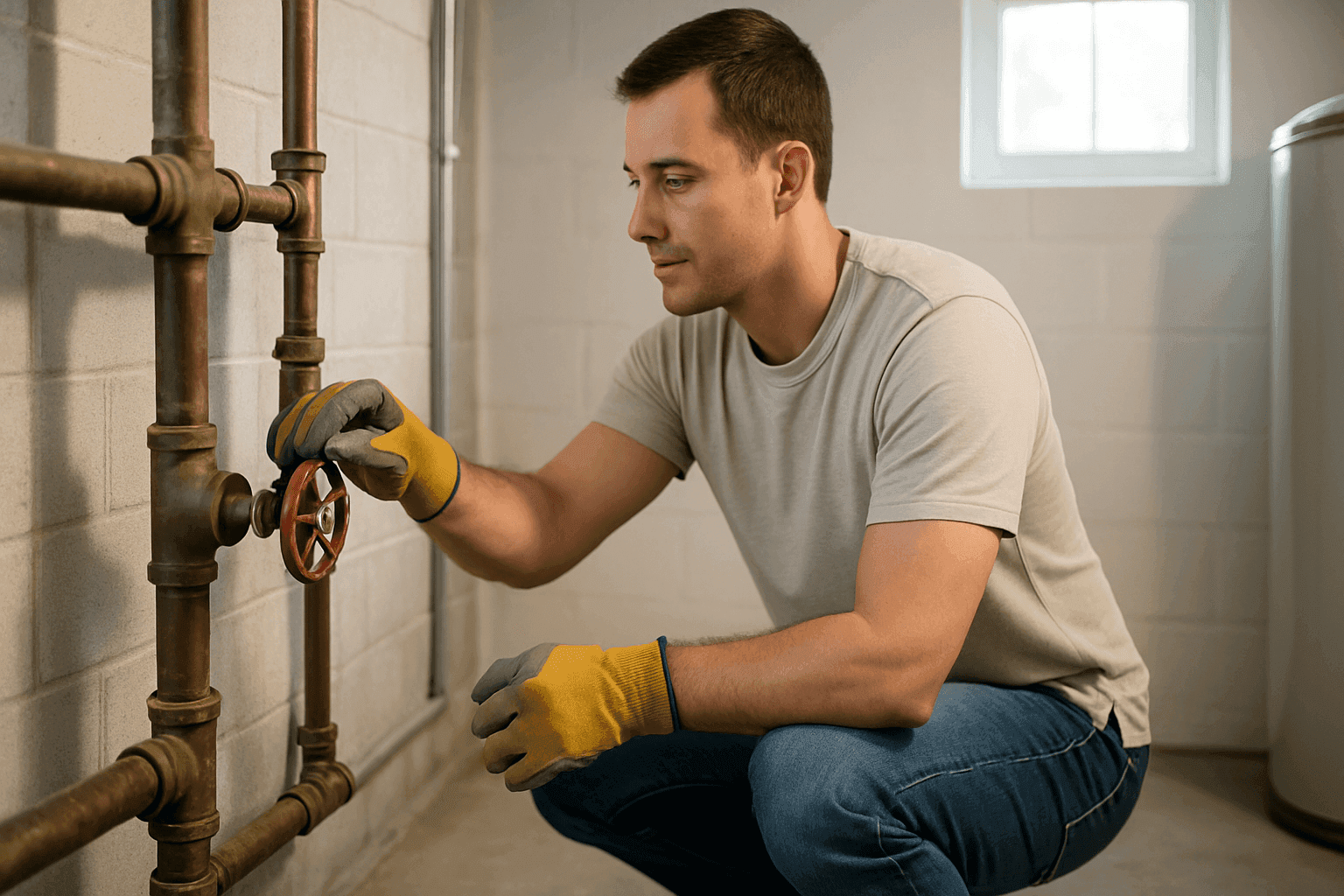
- Main shut-off valve: Usually in the basement, garage, or outside perimeter. Turn clockwise (righty-tighty).
- Toilet/shower/sink: Small oval valve near the base—twist clockwise.
- Appliance lines: Water heaters and washing machines have their own shut-offs.
For gas leaks:
- Only attempt to shut off gas if you can do so safely. The main gas valve is often a lever near your gas meter—turn perpendicular to the pipe.
- If you smell gas, evacuate first—don’t risk it.
Pro tip: Keep a flashlight and valve wrench handy for emergencies. The National Fire Protection Association (NFPA) recommends knowing all shut-off locations.
Containing Damage
You can’t fix the root problem, but you can keep it from spreading.
- Move belongings: Shift valuables, electronics, and furniture away from affected areas.
- Towels and buckets: Place towels to block water flow and buckets to catch drips.
- Unplug safely: Only unplug appliances if the area is dry and you’re sure there’s no risk of shock.
- Open windows: If there’s a gas leak (after evacuating), ventilate the space.
Overflowing toilet? Remove tank lid, press down the flapper to stop water, and shut off supply valve.
Leaking ceiling? Poke a small hole to drain water into a bucket—prevents wider ceiling collapse.
Gathering Information for Your Plumber 📸
The more details you can give, the faster we can help.
- Location: Where is the leak, clog, or smell coming from?
- Timeline: When did you first notice the issue?
- Photos: Snap clear pictures or short videos (if safe).
- Sounds: Note any hissing, banging, or bubbling.
Write down:
- Main shut-off valve location
- Any steps you’ve already taken
- How quickly the problem is worsening
Having these details ready means your emergency plumbing team brings the right tools and parts, saving precious time.
Quick Safety Checklist
- [ ] Evacuate if you smell gas or see sewage backflow
- [ ] Turn off main water/gas (if safe)
- [ ] Move valuables/furniture away from affected zones
- [ ] Use towels, buckets, or bowls to contain leaks
- [ ] Take photos/videos for your plumber
- [ ] Write down what happened and when
- [ ] Keep pets and children clear of hazards
Download and print this checklist. Keep it in your utility room or with your emergency supplies.
DIY vs. Call a Pro
Some plumbing issues are like a scraped knee: you can patch them up yourself. Others are more like a broken bone—time to call in the pros.
DIY-worthy:
- Tightening a loose sink trap
- Using a plunger for minor clogs
- Replacing a toilet flapper
Call a pro for:
- Burst pipes or major leaks
- Sewer line backups
- Gas line installation near you, or any gas odor
- Water heater leaks or electrical issues
- Sump pump failure during heavy rain
Remember: If you’re ever unsure, call. It’s always safer to ask.
What Pros Do on Arrival
When Veterans Plumbing arrives, here’s what happens:
- Safety assessment: We check for electrical and gas hazards.
- Damage control: Shut-offs, containment, and protection of your property.
- Diagnosis: Leak detection, sewer line inspection, or water pressure testing.
- Immediate repair: Pipe repair, unclogging toilets, or emergency fixture replacement.
- Cleanup: We’ll help minimize mess, and recommend next steps for restoration.
Our licensed technicians follow local plumbing codes and use specialized tools (like thermal imaging and pipe cameras) for precise, efficient fixes.
Prevention & Maintenance
A little planning goes a long way. Like wearing boots before a storm, you can head off many emergencies with regular checks.
- Insulate pipes: Especially before winter freezes. Burst pipes are the #1 winter emergency call.
- Sump pump checks: Test before rainy season—pour a bucket of water in and listen for smooth operation.
- Water heater maintenance: Flush annually to prevent sediment buildup.
- Regular leak detection: Check under sinks and behind appliances.
- Backflow testing: Prevents contaminated water from entering your home.
The International Association of Plumbing and Mechanical Officials (IAPMO) recommends annual inspections for older homes.
Costs & Time Factors
Plumbing emergencies can feel like a runaway train—you want to know how long and how costly the ride will be.
Typical cost factors:
- Severity of leak or damage
- Parts and materials needed (e.g., pipe, fixture, filtration system)
- Time of day (after-hours calls may cost more)
- Access difficulty (buried pipes, crawl spaces)
Time ranges:
- Simple leaks: 1–2 hours
- Burst pipes or sewer repairs: several hours
- Major repiping or installations: may require follow-up visits
Insurance may cover water damage—contact your provider for details.
When It’s an Emergency 🚨
Call emergency plumbing services immediately if:
- You see standing water near electrical outlets
- Gas is leaking or you smell rotten eggs
- Sewage is backing up into your home
- Water is pouring from walls or ceilings
- No water supply (could signal a major line break)
It’s better to call and not need us than to wait and risk bigger problems.
FAQ
Q: How do I know if it’s safe to stay inside during a leak? A: If water is away from electrical outlets and there’s no gas smell, you can often remain inside—just avoid the affected area.
Q: What if I can’t find my shut-off valve? A: Check the basement, garage, or outside wall. If you can’t find it, wait for your plumber and stay clear of the leak.
Q: Can I use a store-bought drain cleaner for clogs? A: We don’t recommend it—many chemicals can damage pipes or worsen blockages. Try a plunger first.
Q: How do I prevent frozen pipes? A: Insulate exposed pipes, let faucets drip in freezing temps, and keep garage doors closed.
Local/Seasonal Considerations ❄️
Every region faces its own seasonal plumbing headaches:
- Winter freezes: Insulate pipes, especially in unheated basements or crawlspaces.
- Spring storms: Sump pumps and backflow prevention should be checked before heavy rain.
- Summer droughts: Watch for low water pressure or shifting soil affecting buried pipes.
- Fall leaves: Keep gutters clear to prevent water backup and foundation leaks.
Ask your plumber about seasonal maintenance tailored to your local climate. The American Red Cross offers seasonal home prep guides that are worth reviewing.
Call Veterans Plumbing now — or reach us anytime at 844-708-3719 . Your home deserves fast, reliable help—don’t wait to get the support you need.