How Much Does Sewer Line Repair Cost? A Homeowner’s Guide
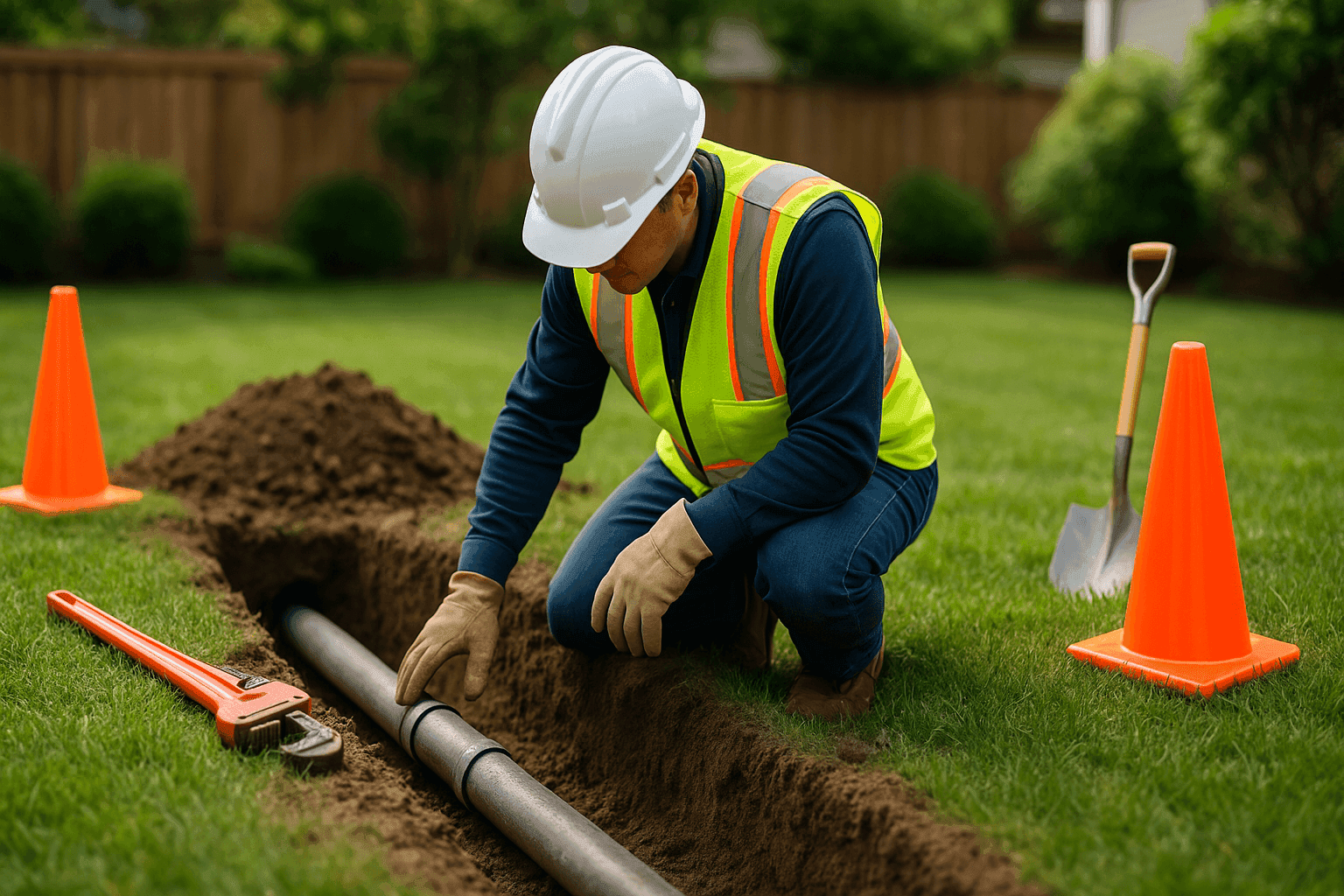
Have you noticed soggy patches in your yard—or maybe that unmistakable odor wafting up at the worst possible moment? If you’re like most homeowners, sewer line repair is something you hope to avoid. But sometimes, a plumbing emergency won’t wait for a convenient time. At Veterans Plumbing, we know these surprises can be overwhelming and expensive. Here’s a guide to help you understand what drives sewer line repair costs—so you can budget wisely and avoid sticker shock.
Typical Sewer Line Repair Costs
Sewer line repairs can feel like a hidden iceberg—what you see above ground is only part of the story. On average, homeowners spend anywhere from $1,500 to $7,000 for a standard repair. For full replacements, that range can balloon to $15,000 or more depending on length, depth, and method used.
Here’s a quick look at typical cost ranges:
- Minor spot repair: $1,500 – $3,500
- Pipe lining or trenchless repair: $4,000 – $10,000
- Full replacement (traditional excavation): $7,000 – $20,000+
These aren’t quotes—just averages we’ve seen helping families like yours. Every home tells a different story.
Cost Range Chart
| Type of Sewer Line Work           | Low Estimate | High Estimate |
|-----------------------------------|--------------|--------------|
| Spot Repair                       | $1,500       | $3,500       |
| Trenchless (CIPP, pipe bursting)  | $4,000       | $10,000      |
| Full Excavation/Replacement       | $7,000       | $20,000+     |
What Affects the Price? 🏡
Like baking a cake, the ingredients and recipe make all the difference. Here’s what impacts your total:
1. Pipe Material
- Clay, cast iron, or PVC: Older pipes (clay or cast iron) often mean more labor and higher costs. PVC is easier and cheaper to repair.
- Length and diameter: Longer or wider pipes cost more to fix or replace.
2. Location
- Depth: Pipes buried deep under your yard or driveway require more digging (and dollars).
- Obstacles: Trees, patios, and landscaping can complicate access—sometimes doubling labor costs.
- Urban vs. rural: City work often means stricter codes, traffic control, and permits.
3. Repair Method
- Traditional excavation: Think of it as open-heart surgery for your yard. It’s invasive but sometimes necessary.
- Trenchless methods: Pipe lining and bursting can save your lawn, but the technology costs more up front.
4. Regional Pricing
Labor rates, local codes, and permit fees vary by region. In some cities, you’ll pay more just for the right to dig. According to the International Association of Plumbing and Mechanical Officials (IAPMO), always check if your area requires special inspection or backflow prevention.
5. Hidden Costs
- Permits: Can add $200–$2,000 depending on local requirements.
- Landscaping Repair: Replacing sod, plants, or hardscape often isn’t included in the plumber’s estimate.
- Additional Repairs: Sometimes, hidden leaks or corroded pipes reveal themselves only after digging begins.
Is Sewer Repair Covered by Insurance?
One of the most common questions we hear: “Will my insurance cover this?” The answer isn’t always simple.
Homeowners insurance typically covers sudden, accidental damage—like a pipe bursting unexpectedly. But most policies won’t pay for repairs due to old age, corrosion, or tree roots creeping in over time.
Tip: Review your policy’s “service line” endorsement. Some insurers offer extra protection for underground pipes between your home and the street.
Always check with your insurance agent before work begins. Get clear on what’s covered, what isn’t, and what documentation you’ll need.
Hidden Costs Most Homeowners Miss
A sewer repair is rarely just about the pipe. It’s about what’s above, around, or under it too.
- Driveway or sidewalk removal: Breaking and replacing concrete adds cost fast.
- Tree removal or root barriers: Roots are a common villain. Removing or managing them isn’t cheap.
- Restoration: After the fix, you may need new grass, shrubs, or even fence repair.
Being aware of these extras can help you budget more realistically—no surprises later.
A Real-World Case Study: Fast Fix, Smart Choices
Last spring, a local family called Veterans Plumbing after noticing slow drains and water pooling in their basement. Our emergency plumbing team arrived the same day. Using video inspection, we found a break in their clay sewer pipe—right under a newly planted garden.
Instead of open excavation, we recommended a trenchless pipe-lining solution. It cost more up front ($7,200 vs. $5,000 for digging), but saved their landscaping and weeks of disruption. The family was back to normal within two days, not two weeks.
Practical Tips for Budgeting Sewer Line Repairs
- Get a camera inspection first. Know the problem before agreeing to a fix.
- Ask about all permit and restoration fees.
- Weigh short-term vs. long-term costs. Sometimes, spending more now avoids repeat problems later.
- Compare trenchless and traditional methods. Each has pros and cons for cost and disruption.
- Request a detailed, written estimate. This helps with insurance claims and avoids miscommunication.
FAQ: Sewer Line Repair Costs
How do I know if I need a repair or full replacement?
- A camera inspection will show if it’s a spot issue or if the whole pipe is failing.
How long does sewer line repair take?
- Spot repairs: usually 1–2 days. Full replacements can take up to a week, especially if weather or permits slow things down.
Can I finance sewer line repairs?
- Some plumbers and third-party lenders offer payment plans. Ask before work begins.
Is it safe to stay home during repairs?
- Yes, but you may lose bathroom or kitchen access for a short time.
How to Prepare for Sewer Line Work
- Move vehicles and outdoor furniture.
- Mark plants or areas you want to save.
- Ask about dust and noise—especially if you work from home.
- Request a timeline and daily work hours.
References & Industry Standards
- International Association of Plumbing and Mechanical Officials (IAPMO)
- Uniform Plumbing Code (UPC)
- Local building and safety codes (check with your city’s permitting office)
- National Association of Home Builders (NAHB) guidelines
Final Thoughts
Sewer line repairs are a big investment—one you don’t want to make twice. Understanding what drives costs, asking the right questions, and working with a licensed, insured team can make all the difference. Whether you need leak detection, pipe repair, or emergency plumbing, Veterans Plumbing helps you navigate the process with clarity and respect for your home.
Call Veterans Plumbing now — or reach us anytime at 844-708-3719 .