Signs Your Water Heater Needs Repair or Replacement
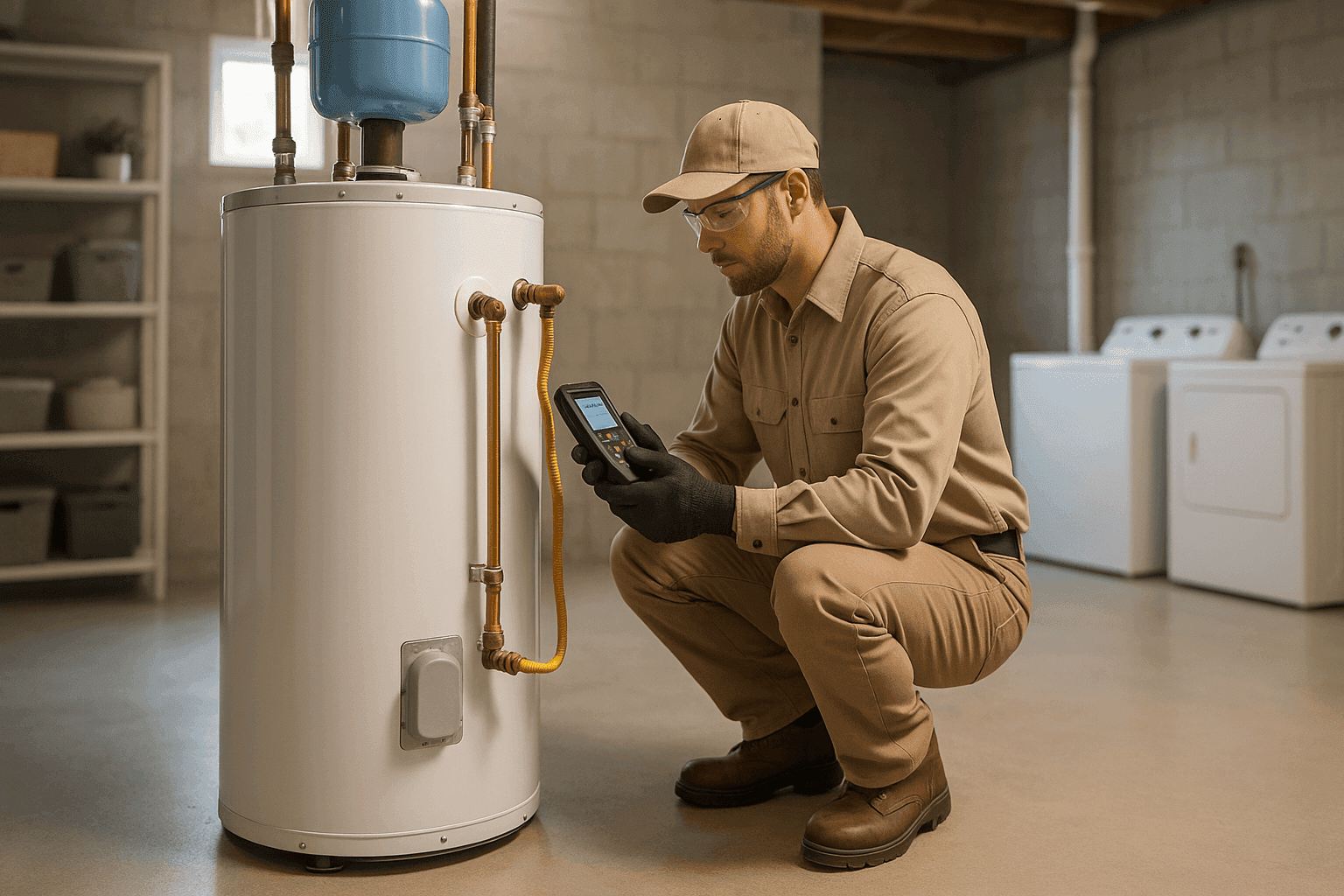
Do you ever brace yourself before a shower, hoping the water actually comes out hot? Or maybe you hear odd pops and rumbles coming from the basement at night. If your water heater is acting up, you’re not alone. Many homeowners face this crossroads—and when hot water issues strike, it can throw off your entire day.
At Veterans Plumbing, we’ve seen it all. From silent leaks to old tanks on their last legs, our licensed team handles emergency plumbing calls day and night. Wondering if your water heater needs a quick fix or a full replacement? Let’s break down the warning signs, what you can tackle yourself, and when it’s time to call in pros near you.
Common Water Heater Warning Signs 🔍
Your water heater won’t last forever. But how do you know if it’s failing or just needs a little TLC? Watch for these telltale symptoms:
- No hot water: The most obvious—and frustrating—sign. If the water runs cold, the heating element, thermostat, or gas supply could be at fault.
- Strange noises: Hearing popping, banging, or rumbling? Think of it like a kettle boiling over with sediment. Over time, minerals build up inside the tank, causing these sounds.
- Visible leaks or puddles: Any pooling water near the base signals trouble. Even a small drip can mean a cracked tank or failing connection.
- Rusty or cloudy water: Orange or brown water from your taps? That could indicate corrosion inside the tank or pipes.
- Inconsistent temperature: If your shower changes from hot to cold without warning, the thermostat or dip tube could be failing.
- Age: Most tank water heaters last 8–12 years. Tankless models can stretch to 20 if cared for. If yours is in “teenager” territory, it might be time.
Visual Symptom Guide
- Drips under the tank: Look for wet spots or corrosion around the base.
- Discoloration: Rust streaks on the tank or pipes.
- Condensation: Excessive moisture, especially in humid months.
- Unusual sounds: Listen for knocks, hisses, or gurgles.
If you spot any of these signs, don’t ignore them. Small issues can become big emergencies overnight.
When Repair Is Enough
Not every water heater mishap spells disaster. Sometimes, a simple repair brings things back to normal.
Situations where a repair makes sense:
- Element or thermostat replacement for electric tanks.
- Replacing gas thermocouples or pilot assemblies.
- Tightening loose connections or valves.
- Flushing out sediment (especially if you hear popping).
Quick Tip: Before calling anyone, check your circuit breakers (for electric) or the pilot light (for gas). Sometimes it’s a quick fix.
Tank vs. Tankless Troubles:
Tank heaters often have issues with sediment and corrosion. Tankless models may show error codes or struggle with scale buildup. Repairs differ—so if in doubt, snap a photo of your unit’s label. That helps your technician prep for your specific setup.
When to Replace
No one wants to shell out for a new water heater before it’s necessary. But sometimes, replacement is the safest—and most cost-effective—option.
Consider replacement if:
- Your tank is over 10 years old (or tankless over 18, especially with hard water).
- Leaks are coming from the tank itself (not just a valve).
- You see rust in your hot water, not just cold.
- Repairs cost more than half the price of a new unit.
- Your family has grown, and hot water runs out too fast.
Tank vs. Tankless:
Tank models fail mostly due to rust and tank leaks. Tankless units can last longer, but hard water shortens their lifespan unless you flush them regularly.
Troubleshooting Checklist ✅
Before you call for emergency plumbing, try these steps:
- Check the power: Is the breaker flipped, or has the pilot gone out?
- Inspect visible connections: Are pipes tight? Any water near the base?
- Test the temperature: Is the thermostat set between 120–140°F?
- Flush the tank: If you hear noise, draining a few gallons of water can help (see your manufacturer’s manual).
- Look for error codes: Tankless units display codes—write them down.
If these steps don’t help, it’s time to call a licensed plumber for leak detection, water heater repair, or Gas Line Installation near you.
When to DIY, When to Call a Pro
Some water heater hiccups are safe for handy homeowners. Others need a pro’s touch.
DIY-Friendly Tasks:
- Resetting breakers or relighting a pilot.
- Adjusting the thermostat.
- Flushing the tank to remove sediment (follow the manual).
Call a Pro For:
- Leaks—especially from the tank.
- No hot water after you’ve checked basics.
- Gas smells or pilot issues.
- Electrical shorts or repeated tripping.
Safety First:
Water heaters mix heat, electricity, and gas—never take risks. The National Fire Protection Association (NFPA) and local building codes require trained professionals for most repairs and all gas work.
What Pros Do On Arrival
When you call Veterans Plumbing for emergency plumbing or leak repair:
- Visual inspection: We check the tank, pipes, and connections.
- Test water pressure: Low pressure can signal deeper issues.
- Check for gas leaks: Especially if you smell rotten eggs.
- Assess age and type: Tank vs. tankless needs different diagnostics.
- Review safety codes: We follow local plumbing codes and manufacturer guidelines.
Testimonial:
"Veterans Plumbing responded quickly when my water heater failed at midnight. The technician explained my options clearly and handled the leak without a mess." — Sarah T., Homeowner
Prevention & Maintenance 💡
Regular care can help your water heater last longer and avoid emergencies.
Simple maintenance tips:
- Drain and flush the tank every 6–12 months to remove sediment.
- Check the anode rod annually (it prevents rust inside the tank).
- Inspect for leaks or corrosion every season.
- Install a water filtration system if you have hard water.
- Schedule annual inspections—especially for gas systems.
Following manufacturer instructions and local codes keeps your warranty valid. Many water heater makers require annual maintenance to keep coverage.
Costs & Time Factors
No one likes surprise bills. Here’s what to expect:
- Repairs: Usually take 1–3 hours, depending on the problem.
- Replacement: Most installs finish in half a day.
- Parts: Simple repairs (valves, thermocouples) are less costly than major fixes.
- Labor: Emergency plumbing calls may have after-hours rates.
Check your warranty paperwork—some repairs may be covered by the manufacturer, especially if your unit is fairly new.
When It’s an Emergency
Certain water heater problems can’t wait:
- Active leaks flooding your home.
- Smell of gas near the heater.
- No hot water with infants, elderly, or medical needs in the home.
- Electrical burning smells.
In these cases, turn off the water and power supply if safe, then call Veterans Plumbing for emergency plumbing right away.
Frequently Asked Questions
How long should my water heater last?
Tank models last 8–12 years; tankless units can reach 20 with maintenance.
Should I repair or replace if my water heater is 10+ years old?
Replacement is usually best for units over a decade old, especially if they show signs of rust or leaks.
Can I install a new water heater myself?
Most local codes require professional installation for both safety and warranty validity—especially for gas units.
What’s better: tank or tankless?
Tankless heaters offer energy savings and endless hot water but cost more upfront. Tank models are simple and affordable but need more space and maintenance.
Local & Seasonal Considerations 🌦️
Winter chills put extra strain on water heaters. In colder regions, pipes and tanks can freeze or work overtime. Spring and fall are great times to schedule inspections or preventative maintenance before extreme weather hits.
If you live in an area with hard water, mineral buildup is a common culprit for early breakdowns—ask your plumber about adding water filtration systems to protect your investment.
If you spot any of these warning signs, don’t wait for an icy surprise. Call Veterans Plumbing now — or reach us anytime at 844-708-3719 .