Backflow Prevention: Protecting Your Family’s Water Supply
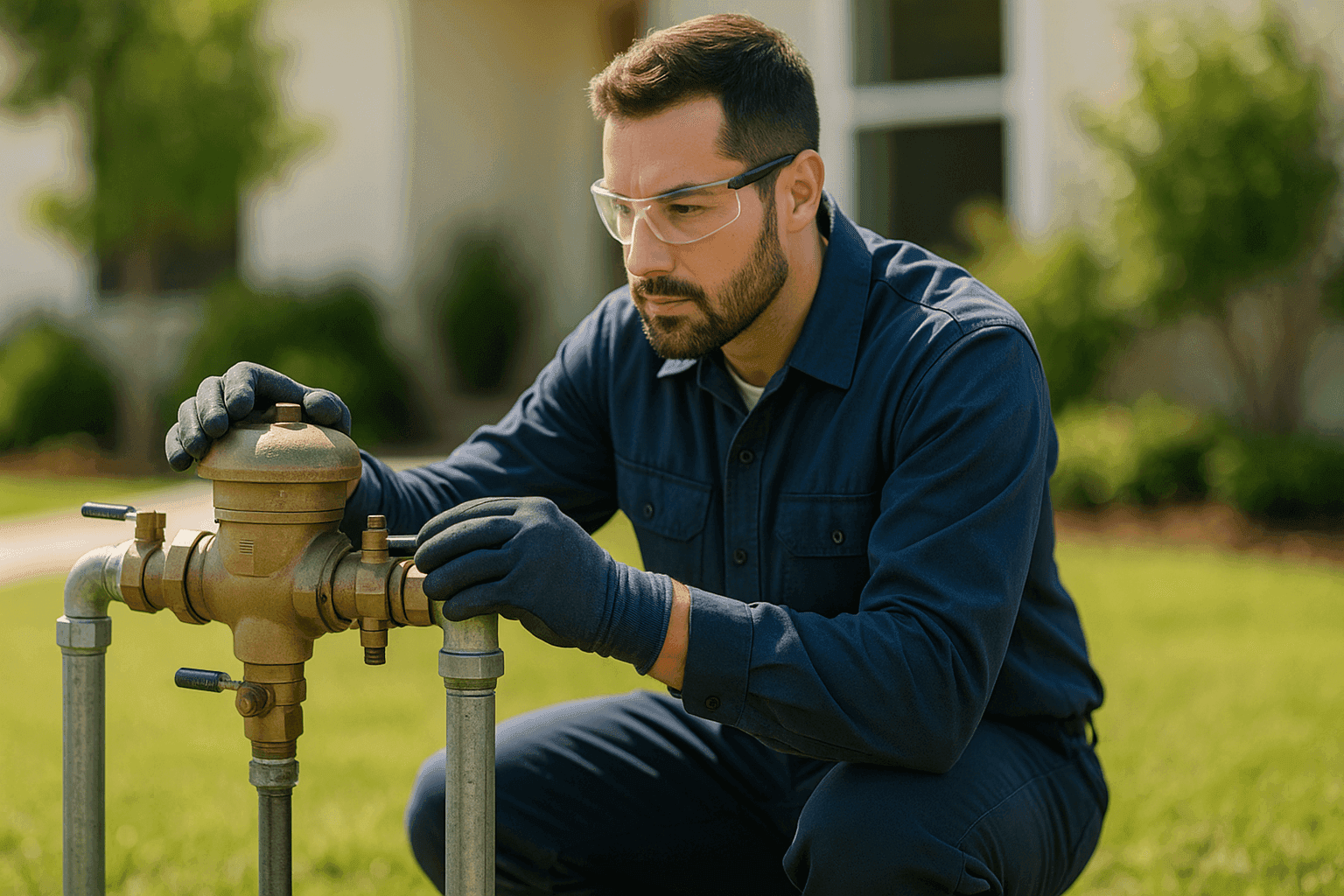
Water should flow one way: clean, clear, and safe, right into your home. But what if, in a split second, that flow turns backwards? The result is more than just a plumbing headache—it's a direct threat to your family's health.
At Veterans Plumbing, we see firsthand how quickly a simple issue can become an emergency plumbing call. Our licensed technicians have protected countless homes with backflow prevention, and we’re here to show you exactly why it matters.
What Is Backflow? 🚰
Imagine your water pipes as a one-way street, guiding clean water in. Backflow is when the traffic suddenly reverses. Contaminated water, pesticides, or even waste can flow the wrong direction—from outside sources or your own home—straight into your drinking water.
Backflow happens because of pressure changes:
- Backsiphonage: A sudden drop in water pressure (think: a burst main, or firefighters using hydrants nearby) sucks water from everywhere—including hoses, toilets, or outdoor puddles—back into your house lines.
- Backpressure: If something inside your home’s plumbing (like a boiler or pump) pushes harder than the main supply, water can be forced back into the city system.
Even a garden hose left in a puddle can be the weak link. With no visible warning, your clean water can become unsafe.
The Real Risks
- Health hazards: Bacteria, chemicals, and waste can enter your home’s water.
- Invisible contamination: You may not see, smell, or taste the danger.
- Rapid impact: One backflow event can contaminate all water lines.
If you have young children, elderly family, or anyone with a compromised immune system at home, the risk is real—and urgent.
How to Prevent Backflow
Prevention starts with the right tools and awareness. Here's what protects your water:
Backflow Preventer Devices
Think of these as sturdy gates, only opening to let clean water in. Devices like:
- Atmospheric vacuum breakers
- Pressure vacuum breakers
- Double check valve assemblies
- Reduced pressure zone (RPZ) assemblies
Each is designed for different risks. For example, sprinkler systems and pool connections require specific devices, all installed by a certified technician.
Local Code Requirements
Most cities and states require backflow prevention for certain plumbing installations (see Uniform Plumbing Code, Section 603). You may need an approved device for:
- Lawn irrigation systems
- Fire sprinkler lines
- Boilers
- Pools and hot tubs
Check your municipality’s rules. Unpermitted work or missing devices can lead to fines—and more importantly, unsafe water.
Annual Testing
Even the best devices need regular checkups. Many areas require yearly inspections by a certified tester. Why? Seals can wear out. Valves can stick. Only a pro with the right equipment can verify your device works under pressure.
What Our Certified Technicians Do
- Examine and test each device with precision gauge tools.
- Document test results as required by local codes.
- Provide an inspection report for your records.
Testing and Maintenance
Keeping your backflow preventer strong isn’t a one-and-done job. Here’s a simple checklist:
- Schedule annual inspection with a certified tester.
- Look for leaks or corrosion on visible pipes and preventers.
- Know the signs: Discolored water, odd taste, or low pressure can signal issues.
- Keep records of all inspections and maintenance.
If you’re unsure about the last time your device was checked, it’s time to act.
Quick Safety Checklist
- Are hose bibs protected with vacuum breakers?
- Do you have a backflow preventer on irrigation or sprinkler systems?
- Is your water heater or boiler fitted with proper check valves?
- Is your device tagged with the last inspection date?
- Do you know who to call for emergency plumbing near you?
DIY vs. Call a Pro
Some tasks are safe for homeowners—others aren’t. Swapping a hose bib vacuum breaker? Simple. Installing or testing a backflow preventer? That’s for trained, licensed plumbers only.
- Pros have specialized gauges for testing.
- Testing is required by law in many areas.
- Mistakes can void insurance or violate code.
If you’re not sure, don’t risk it. Call a certified technician with experience in leak detection, pipe repair, and emergency plumbing.
What Pros Do On Arrival
When you call Veterans Plumbing, here’s what to expect:
- Assessment: We identify all cross-connections and risk points—inside and out.
- Device Inspection: Detailed checks using calibrated gauge tools.
- Testing: Simulate pressure changes to ensure the device seals off contamination.
- Reporting: Documentation for your records and (if needed) for your city inspector.
- Recommendations: If repairs or upgrades are needed, you’ll get honest advice.
Prevention & Maintenance
Routine care is your best defense. Here’s how to stay ahead:
- Annual Testing: Required by law in most municipalities.
- Visual Checks: Look for leaks, rust, or broken seals every few months.
- Upgrade old devices: Technology improves; older assemblies may not meet today’s standards.
- Educate your household: Don’t leave hoses submerged in buckets or pools.
Authoritative Sources
- Uniform Plumbing Code (UPC)
- American Water Works Association (AWWA)
- Centers for Disease Control and Prevention (CDC)
- Local city and county plumbing ordinances
Costs & Time Factors
How much does backflow prevention cost? It varies:
- Device installation: Ranges widely based on type and location.
- Annual testing: Quick—often under an hour for most homes.
- Repairs or replacements: Costs depend on age and condition.
What never changes: the cost of NOT installing is always higher if contamination occurs.
When It’s an Emergency
Certain signs mean you need emergency plumbing—fast:
- Sudden loss of water pressure
- Discolored or foul-smelling water
- Multiple fixtures with water problems at once
- City warning or boil notice
If in doubt, shut off the main supply and call Veterans Plumbing right away.
FAQ
Do I need a backflow preventer if I don’t have a sprinkler system?
Sometimes, yes. Boilers, pool fillers, and even certain kitchen plumbing setups can require them. Local code decides.
How often does a backflow preventer need testing?
Most places require annual tests by a certified pro. Always follow your local regulations.
Can I test or install a device myself?
No. Only licensed, certified testers should handle these devices. It’s a matter of safety and code.
What are the health risks of backflow?
Bacteria (like E. coli), chemicals, and even sewage can contaminate your supply—posing serious illness risks.
Local/Seasonal Considerations
Winter freeze? Devices outside can crack, losing protection. Spring rains? Flooded yards increase the risk of siphoning. Moving to a new home? Always ask about the last backflow inspection. If you live in a region with frequent water main breaks, stay extra alert.
Certified technicians at Veterans Plumbing keep up with local code changes and seasonal challenges. We’re ready to adapt—whether you need Gas Line Installation near you, leak repair, or a comprehensive backflow inspection.
Your family’s health depends on the water you trust every day. Backflow isn’t just a plumbing issue—it’s a safety one. Let Veterans Plumbing bring peace of mind to your home.
Call Veterans Plumbing now — or reach us anytime at 844-708-3719 .