Complete Guide to Plumbing Preventative Maintenance for Homeowners
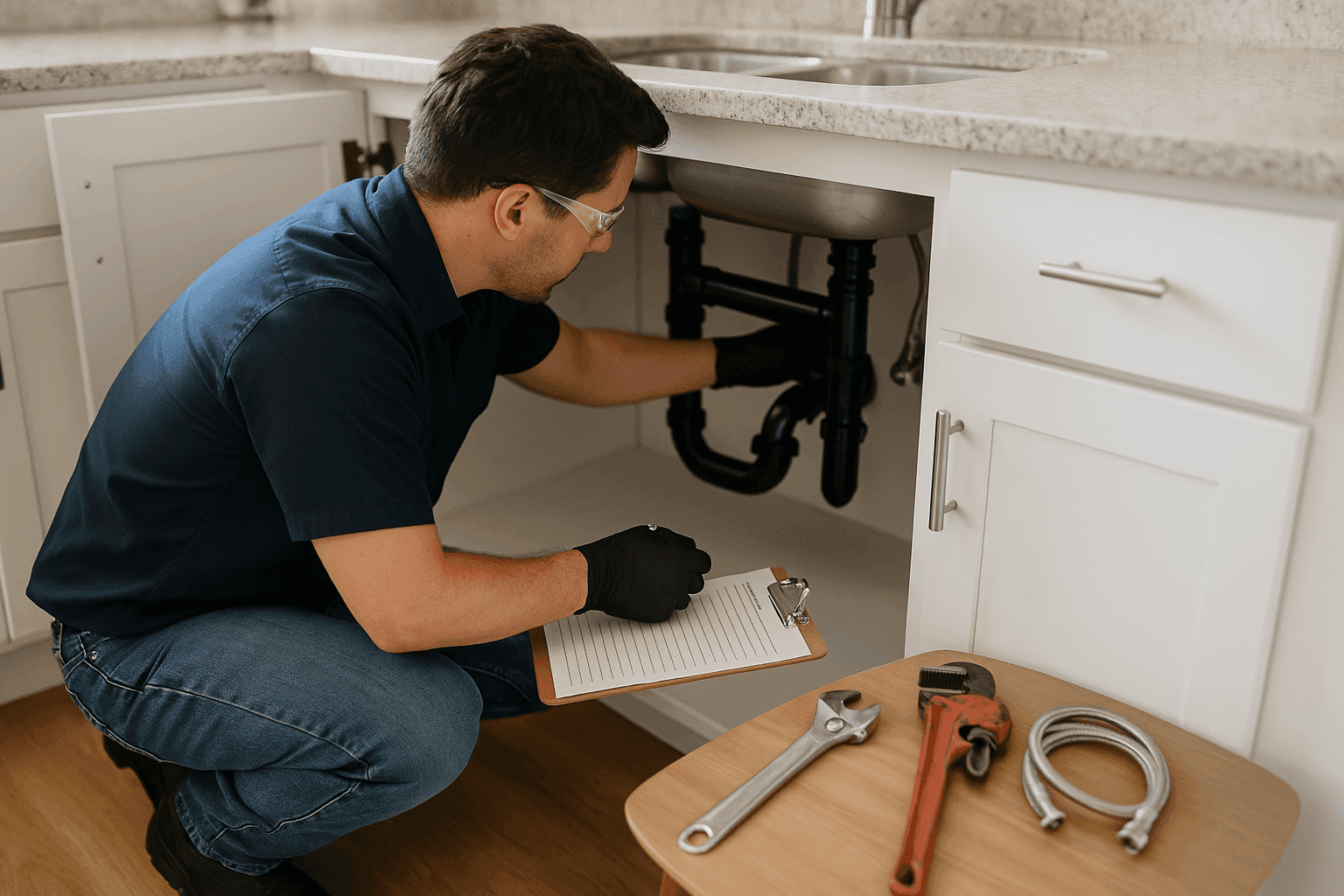
Plumbing problems never wait for a convenient time. One minute, everything’s flowing fine. The next, you’re ankle-deep in water, scrambling for towels and a number to call. At Veterans Plumbing, we know how quickly a small drip can turn into a major headache. That’s why regular preventative maintenance is your best defense.
Think of your home’s plumbing like a car. It needs routine checkups to stay reliable. A few simple habits and seasonal checks can save you thousands in emergency plumbing repairs—and a whole lot of stress.
Why Plumbing Preventative Maintenance Matters
Water is powerful. It sneaks into cracks, corrodes pipes, and can wreck floors or walls before you even notice. Most plumbing disasters don’t start with a bang—they creep up, slow and silent. By the time you spot the signs, the damage is done.
Regular maintenance is like insurance for your home’s pipes. It keeps things running smoothly, helps you spot warning signs early, and extends the life of your plumbing system. According to the International Association of Certified Home Inspectors, most plumbing systems can last decades with proper care. Skip those regular checks, and you risk burst pipes, water damage, and costly emergency plumbing calls.
Seasonal Plumbing Maintenance Tips 🛠️
Nature throws different challenges at your plumbing throughout the year. Here’s how to stay ahead—season by season.
Winter: Guard Against Freezing
- Insulate exposed pipes: Use foam sleeves or wrap pipes in unheated areas like basements and garages.
- Let faucets drip: On freezing nights, a slow trickle keeps water moving and helps prevent bursts.
- Disconnect hoses: Shut off outdoor valves and drain spigots to avoid ice blockages.
- Check for drafts: Seal gaps around pipes entering your home.
Spring: Check for Damage
- Inspect for leaks: Look for water stains under sinks, around toilets, and near your water heater.
- Test sump pumps: Pour water into the pit to make sure it kicks on.
- Clear gutters and downspouts: Prevent water from pooling near your foundation.
Summer: Watch for Water Pressure Changes
- Monitor water pressure: High use in summer can reveal weak spots or leaks.
- Clean faucet aerators: Remove mineral buildup for better flow.
- Inspect sprinkler systems: Look for soggy spots in your yard.
Fall: Prep for Colder Weather
- Drain water heaters: Remove sediment to keep it running efficiently.
- Check shut-off valves: Make sure you can turn off water quickly in an emergency.
- Service your boiler: If you have one, schedule an inspection before winter.
Common Warning Signs to Watch For 🚨
Even with regular care, problems can sneak up. Catching them early can mean the difference between a quick fix and a major repair.
- Slow drains: Water pooling in sinks or tubs often means a clog is forming.
- Unexplained water bills: A sudden spike could signal a hidden leak.
- Low water pressure: This can point to pipe corrosion, leaks, or a failing pressure regulator.
- Strange noises: Banging, whistling, or gurgling in pipes shouldn’t be ignored.
- Stains or damp spots: Watermarks on ceilings, walls, or floors are red flags.
- Foul odors: Persistent smells from drains may mean a sewer line issue.
If you notice any of these, don’t wait. Small issues can turn into emergencies fast.
Essential Tools and Supplies for DIY Maintenance
You don’t need a plumber’s truck to keep your system healthy. A few basic tools and supplies will cover most routine checks and minor fixes:
- Plunger (cup and flange types)
- Adjustable wrench
- Pipe wrench
- Channel-lock pliers
- Pipe tape (Teflon tape)
- Bucket and towels
- Flashlight or headlamp
- Drain snake or auger
- Non-caustic drain cleaner (enzyme-based)
- Pipe insulation sleeves
Keep these on hand in a dedicated spot. They’ll save you time when trouble strikes.
When to Call a Professional Plumber
Some fixes are DIY-friendly. Others need a certified pro. Here’s when to pick up the phone:
- Major leaks or bursts: Water spraying or pooling rapidly? Shut off your main valve and call immediately.
- Sewer line backups: If multiple drains clog at once or you smell sewage, it’s time for emergency plumbing.
- Gas line issues: Smell gas or suspect a leak? Evacuate and call for help—don’t try to fix it yourself.
- Water heater problems: No hot water, strange noises, or leaks from the tank? These need expert attention.
- Backflow or contamination: If water reverses direction or looks discolored, call a pro for backflow testing.
Remember: Plumbing codes and safety standards exist for a reason. The Uniform Plumbing Code (UPC) and National Standard Plumbing Code (NSPC) set strict guidelines for repairs and installations. Certified plumbers follow these to protect your home and family.
Creating a Year-Round Maintenance Schedule 📅
Consistency is key. Set reminders or print a checklist to stay organized. Here’s a simple schedule to keep your plumbing in top shape:
Monthly
- Check under sinks for leaks.
- Run water in rarely used drains.
- Clean faucet aerators and showerheads.
- Listen for strange pipe noises.
Quarterly
- Test all shut-off valves.
- Inspect exposed pipes for corrosion.
- Flush drains with hot water or enzyme cleaner.
Twice a Year
- Drain and refill your water heater.
- Inspect sump pump and pit.
- Check outdoor spigots and hoses.
Annually
- Have a certified plumber inspect your system.
- Schedule backflow testing if required.
- Review your water pressure and filtration systems.
A little effort each month can prevent big headaches down the road.
Practical Tips from Certified Plumbing Technicians
- Know your main shut-off: Every adult in the house should know where it is and how to use it.
- Label valves: Mark shut-offs for sinks, toilets, and appliances.
- Keep drains clear: Avoid pouring grease, coffee grounds, or wipes down any drain.
- Watch water heater settings: 120°F is hot enough to prevent bacteria but safe for most homes.
- Monitor for rust: Orange stains on fixtures or in water can mean corrosion in pipes or the heater.
- Install water alarms: Place them near water heaters, sump pumps, or under sinks for early leak detection.
When It's an Emergency
Some plumbing problems can’t wait. Burst pipes, sewer backups, and gas leaks are true emergencies. If you see water pouring where it shouldn’t, smell gas, or lose all water pressure, act fast:
- Turn off the main water supply.
- Shut off gas if you smell it (then evacuate).
- Call Veterans Plumbing for emergency plumbing help.
Quick action can minimize damage and keep your home safe.
Frequently Asked Questions
How often should I have my plumbing inspected?
Most homes benefit from a professional inspection once a year. Older homes or those with history of leaks may need more frequent checks.
What can I do to prevent clogged drains?
Avoid putting grease, oil, coffee grounds, and wipes down the drain. Use a drain strainer to catch hair and debris. Flush drains monthly with hot water or an enzyme-based cleaner.
What’s the best way to prepare for freezing weather?
Insulate exposed pipes, disconnect outdoor hoses, and let faucets drip during deep freezes. If you’ll be away, keep the heat on and open cabinet doors to let warm air reach pipes.
Is low water pressure always a sign of a problem?
Not always. It could be due to municipal supply issues or a partially closed valve. But if it’s sudden or affects only certain fixtures, it’s worth investigating for leaks or blockages.
Special Considerations for Homeowners
Every home is different. Age, pipe material, water quality, and even landscaping can affect your plumbing. If you’re considering upgrades—like water filtration systems, repiping, or fixture installations—consult a certified professional. They’ll ensure work meets code and fits your home’s needs.
If you own a rental or small business property, keep records of all maintenance and repairs. This helps with insurance claims and keeps tenants happy.
Ready to Take Control of Your Plumbing?
Preventative maintenance is the key to a worry-free home. Don’t wait for a drip to turn into a downpour. Download our printable plumbing maintenance checklist and start protecting your investment today.
Call Veterans Plumbing now — or reach us anytime at 844-708-3719 .