How to Detect Hidden Plumbing Leaks in Your Home
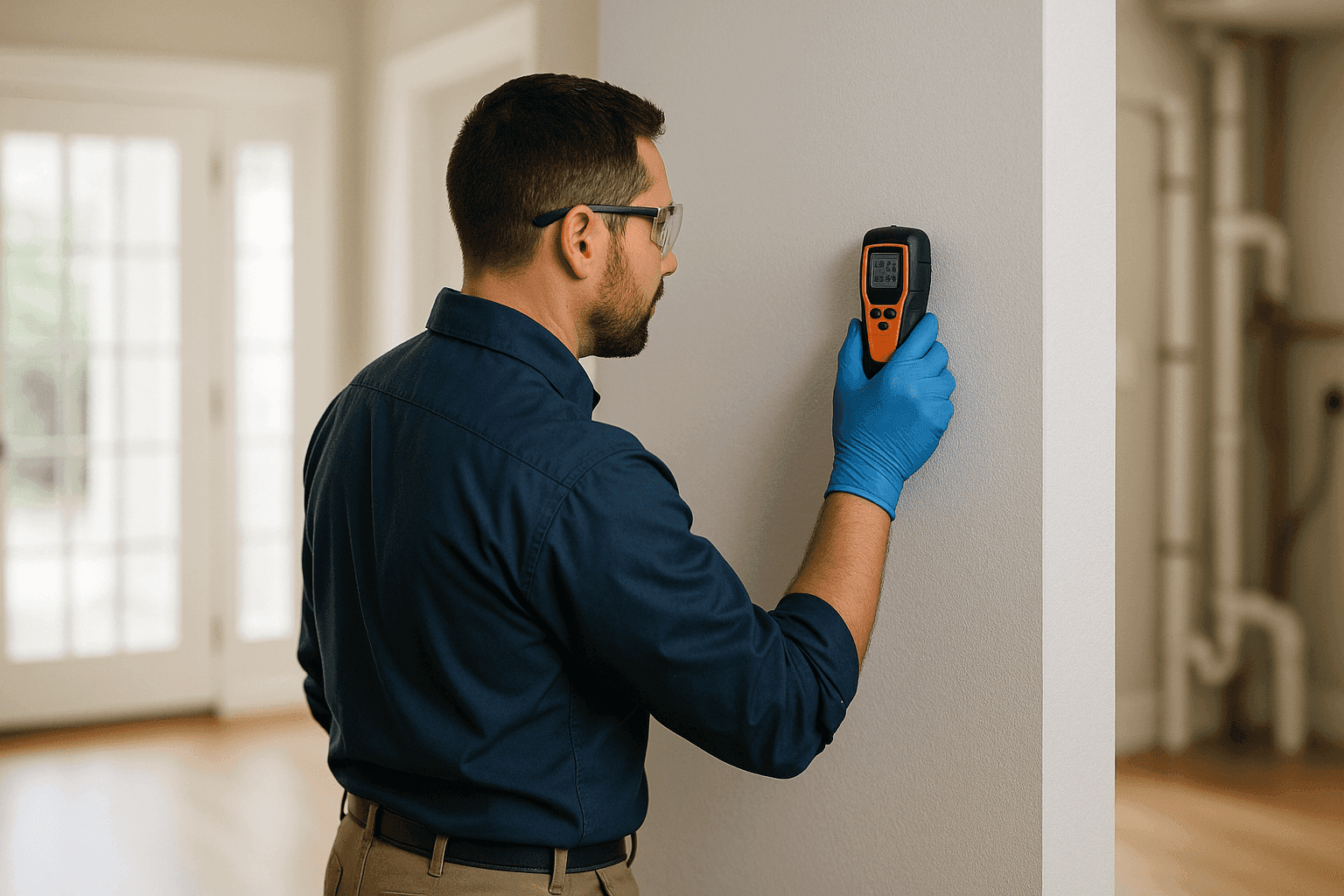
Have you ever noticed a new water stain or warped flooring and wondered, “Where is that coming from?” Hidden plumbing leaks are the silent troublemakers in many homes. They sneak in, cause quiet chaos, and by the time you spot the symptoms, the damage might already be under way.
At Veterans Plumbing, we’ve seen what even a slow drip can do. From soggy basements in spring to slab leaks under kitchen floors, we know how leaks find the most inconvenient places to hide. And we’re here around the clock with emergency plumbing help when you need it most.
Common Signs of Hidden Leaks 🕵️
Leaks don’t always announce themselves with a gush of water. Most start as whispers—tiny clues around your house. Here’s what to watch for:
- Unexplained spikes in your water bill: If your usage patterns haven’t changed, but your bill shoots up, it’s a red flag.
- Damp, musty odors: Smells of mildew or mold often mean water is pooling somewhere it shouldn’t.
- Stains or discoloration on walls and ceilings: Water can travel far before showing up as a brown spot.
- Bubbling or peeling paint and wallpaper: Moisture trapped behind walls can push paint out or make wallpaper loosen.
- Warped or sagging floors: Especially common above crawlspaces or basements.
- Sounds of dripping or running water: Even if you can’t see it, your ears might catch it.
- Low water pressure: Sometimes a leak is stealing pressure from your fixtures.
- Visible mold growth: Mold loves hidden leaks—especially in bathrooms and basements.
If any of these ring a bell, don’t ignore them. Small leaks can turn into big headaches.
DIY Leak Detection Techniques
Before you call in the cavalry, you can run a few simple tests yourself.
Water Meter Test
- Turn off all faucets and water-using appliances inside and outside your home.
- Locate your water meter (usually outside or in the basement).
- Record the reading and wait 1–2 hours without using any water.
- Check it again. If the number moved, water is leaking somewhere—possibly underground or inside the walls.
Inspecting Walls and Floors
Sometimes leaks hide right beneath your feet or behind your favorite painting. Look for:
- Soft spots on drywall or wood floors.
- Unexplained dampness or warmth (especially near hot water lines).
- Puddles or trickles at the base of walls, toilets, or under sinks.
Listening for Drips
- Nighttime is best—the house is quiet, and drips stand out.
- Walk slowly around rooms with plumbing.
- Listen near sinks, tubs, and behind appliances like dishwashers and washing machines.
- Use a cup or glass against the wall as a makeshift stethoscope.
Monitoring Water Bills
- Compare your water bill month to month.
- Keep track of your household’s average usage (gallons or cubic feet).
- Look for sudden jumps—even a small, steady leak can waste thousands of gallons a year.
When to Call a Pro
Some leaks call for more than a flashlight and a keen ear. Here’s when it’s smart to bring in Veterans Plumbing:
- You can’t find the source but the symptoms persist.
- There’s water pooling near your foundation (risk of slab leaks).
- You notice persistent musty odors that don’t fade with cleaning.
- The leak is near gas lines or electrical wiring—these situations can be dangerous.
- Basement or crawlspace moisture after heavy rain (common in regional homes with high water tables).
- Water pressure drops suddenly throughout the house.
Veterans Plumbing uses advanced leak detection tools—like acoustic sensors, infrared cameras, and moisture meters—to find leaks without tearing up your home. We’re trained to spot trouble in places most homeowners never see.
What to Do in a Plumbing Emergency
If water is gushing, a pipe has burst, or you see flooding—act fast.
- Shut off the main water valve. Know where it is before disaster strikes.
- Move valuables and electronics away from water.
- Avoid using appliances in wet areas.
- Call for emergency plumbing help—the sooner, the better.
Quick Safety Checklist
Keep your family and property safe while waiting for help:
- Don’t touch electrical outlets or cords if water is present.
- If you smell gas or suspect a leak near a gas line, leave the house immediately and call emergency services.
- Wear shoes with rubber soles in wet areas.
- If your basement floods, avoid walking in water until it’s declared safe.
What Professionals Do On Arrival
When Veterans Plumbing arrives, here’s what you can expect:
- Visual inspection: Checking walls, ceilings, and floors for obvious signs.
- Moisture detection: Using specialized meters to find hidden dampness.
- Acoustic listening devices: Pinpointing drips and movement inside pipes.
- Thermal imaging: Detecting temperature changes that signal a leak.
- Pressure testing: Checking for drops in closed pipe systems.
- Code-compliant repairs: All work follows local building codes and plumbing standards (per the International Plumbing Code and local state regulations).
We tackle everything from pipe repair and bathroom plumbing to gas line installation near you, all with care and precision.
Prevention & Maintenance
The best leak is the one that never happens. Here’s how to stack the odds in your favor:
- Schedule regular inspections—especially before and after winter.
- Insulate exposed pipes to prevent freezing and bursting.
- Check appliance hoses (washing machines, dishwashers, refrigerators) for cracks or bulges.
- Install water alarms in risk-prone areas like basements, kitchens, and bathrooms.
- Maintain sump pumps and ensure they’re free of debris.
- Don’t ignore small repairs—a dripping faucet or slow drain is often a warning sign.
Regular maintenance isn’t just about peace of mind. It can also lower your water bill and extend the life of your plumbing system.
Costs & Time Factors
Worried about the bill? Here’s what goes into it:
- Detection method: Visual checks are quick; specialized equipment takes longer.
- Location of the leak: Under a slab or behind walls means more time and care.
- Extent of the damage: A small leak is faster to fix than widespread water intrusion.
- Repair method: Pipe patching, repiping, or fixture replacement all affect timing.
Most hidden leaks can be found and fixed the same day, but extensive damage—like waterlogged drywall or structural repairs—may take longer. The investment now is almost always less than the cost of fixing major water damage later.
When It’s an Emergency
Some situations just can’t wait:
- Water pouring from ceilings or walls.
- Sewer smells or visible sewage inside the home.
- Flooded basements or crawlspaces after storms.
- Suspected gas line leaks.
If you’re facing any of these, call Veterans Plumbing for emergency plumbing services—day or night.
Frequently Asked Questions
How can I prevent hidden leaks from happening again?
Routine maintenance is key. Have your plumbing checked annually. Replace old pipes and hoses, and keep an eye on your water usage.
Are slab leaks common in homes around here?
Yes, especially in regions with shifting soil or older foundations. Early signs include unexplained warm spots on floors or cracks in the slab.
Does my homeowner’s insurance cover water damage from hidden leaks?
Often, sudden and accidental leaks are covered, but slow leaks might not be. Review your policy or speak to your agent for details.
Can I fix a leak myself?
Some small leaks—like a dripping faucet—can be DIY-friendly. But for hidden or hard-to-reach leaks, professional help is safer and more effective.
Local & Seasonal Considerations 🌦️
Every region has its quirks. In our area, we see:
- Slab leaks: Common in homes with concrete foundations.
- Moist basements: Spring rains and high water tables can push water up from below.
- Frozen pipes: Winter can be tough on exposed plumbing—insulate pipes in attics, garages, and crawlspaces.
- Backflow concerns: Heavy storms can overwhelm systems, making backflow prevention a must.
- Tree roots in sewer lines: Older neighborhoods with mature trees may find roots sneaking into pipes.
A little local know-how goes a long way. Veterans Plumbing is ready for whatever your house throws at you—whether it’s a hidden drip or a full-blown emergency.
Call Veterans Plumbing now — or reach us anytime at 844-708-3719 .