Drain Cleaning: How Often, Methods, and Warning Signs
Have you ever stood ankle-deep in shower water that just won’t drain? Or watched the kitchen sink fill up, while dishes wait and time drags? At Veterans Plumbing, we’ve seen it all — and we know the frustration and urgency that comes with a stubborn clog.
Whether you’re dealing with a slow drain or a full-on backup, ignoring early warning signs can quickly turn a small annoyance into a major emergency plumbing headache. The good news? A little know-how now can save you from big trouble later.
How Often Should You Clean Drains? 🕒
Think of your home’s drains like arteries. Keep them clear, and everything flows smoothly. Let them clog, and suddenly, nothing works right. Regular drain cleaning is your home’s version of a checkup — and it’s much easier than you might think.
- Kitchen drains: Every month. Grease, food scraps, and soap can build up fast.
- Bathroom sinks and tubs: Every 1–2 months. Hair and soap scum are the usual suspects.
- Toilets: As soon as you notice slow flushing or gurgling.
- Main sewer line: Every 1–2 years. Especially important if you have large trees nearby, older pipes, or previous issues.
Pro tip: If you’re getting frequent backups, it’s a sign of a deeper issue. Don’t wait.
Maintenance Calendar
- January: Deep clean kitchen and bathroom drains.
- April: Inspect and flush out outdoor drains.
- July: Schedule a main line inspection — tree roots grow fastest in summer.
- October: Prepare for fall leaves by cleaning gutters and exterior drains.
Setting reminders or jotting these on your family calendar can help keep things flowing all year.
DIY Drain Cleaning Methods
Sometimes, the fix is simple. Here are tried-and-true ways homeowners can keep drains clear — without risking damage.
The Boiling Water Trick
Pouring a kettle of boiling water down the drain can melt away minor clogs, especially in the kitchen. Just be careful: never use this method on PVC pipes, as they can warp.
Baking Soda & Vinegar
Remember your grade school volcano project? The fizzing action can also break up small blockages. Pour half a cup of baking soda, then half a cup of vinegar, down the drain. Wait 10 minutes, then flush with hot water.
Plunger Power
A cup plunger (flat bottom) works well on sinks and tubs. Plunge with quick, firm motions — sometimes, that’s all it takes.
Drain Snakes
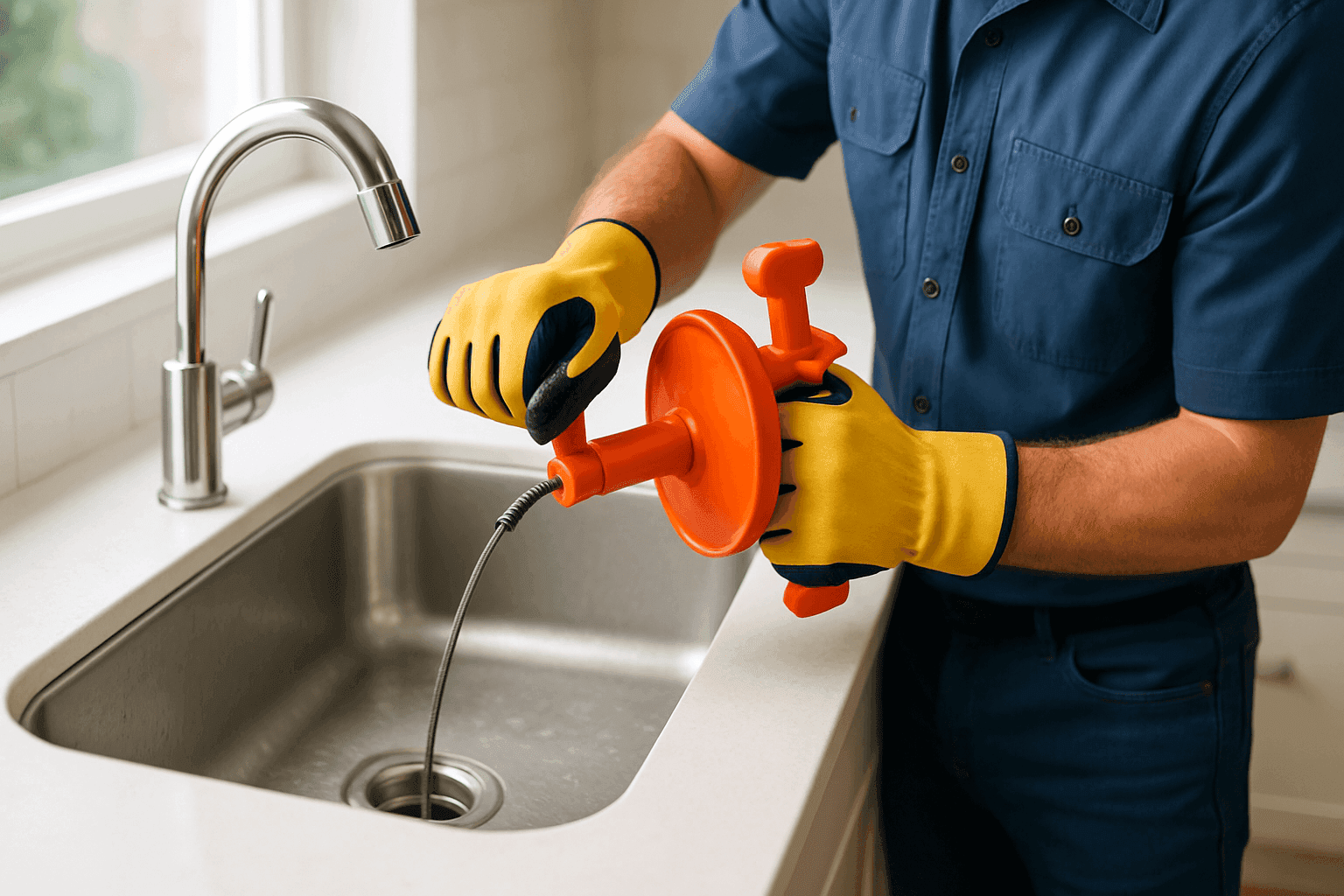
A hand-crank snake is like a flexible fishing line for your pipes. Feed it in, twist, and pull out the gunk. Great for hair and soap buildups.
Eco-Friendly Product Picks
- Enzyme-based cleaners: Products like Bio-Clean use natural bacteria to eat away organic gunk, instead of harsh chemicals.
- No bleach or lye: They can damage pipes and are rough on the environment.
Tip: Skip chemical drain openers. They rarely fix the root problem and can make pipe repairs more expensive down the road.
When to Call a Plumber
Some jobs need a pro’s touch. Here’s how to know when it’s time to pick up the phone.
Warning Signs
- Multiple drains are slow at once
- Gurgling sounds from pipes or toilets
- Foul odors coming from drains
- Water backing up in sinks, tubs, or toilets
- Persistent clogs despite DIY efforts
These aren’t just annoyances. They’re red flags that something deeper is brewing — sewer line blockages, pipe damage, or even hidden leaks.
Rooter vs. Hydrojetting: What’s the Difference?
Rooter machines use a rotating cable to break up tough clogs — think of it as a weed whacker for your pipes. It’s great for cutting through tree roots and solid blockages.
Hydrojetting uses a high-pressure stream of water to scrub the insides of your pipes. It’s more like a power washer, blasting away years of buildup and leaving pipes nearly as clean as new. Hydrojetting is best for serious build-up and preventative maintenance, especially before problems start.
We use both, depending on what your pipes need most.
Real Stories: Before and After
One family in our community faced monthly backups in their kitchen sink. Snaking helped, but clogs kept coming back. When we arrived, a quick camera inspection revealed years of hardened grease in the main line. After a hydrojetting session, the pipes were spotless — and they haven’t had a single backup since.
Another homeowner called us in the middle of the night with a flooded basement. Their sump pump had failed, and water was rising fast. We cleared the drain, repaired the pump, and gave them tips to prevent future disasters.
Our customers say it best:
“Veterans Plumbing arrived at 2 AM and fixed the worst clog we’ve ever had. Friendly, fast, and left everything cleaner than before.”
“I tried everything for my slow shower drain, but nothing worked until Veterans Plumbing came out. They found a hidden pipe crack and fixed it on the spot.”
Preventative Maintenance: Keeping Drains Healthy
Prevention is the name of the game. Here’s how to keep your pipes out of trouble:
- Use mesh screens in sinks and tubs to catch hair and debris.
- Avoid pouring grease or oil down any drain.
- Run hot water after each use to help move debris along.
- Flush only toilet paper — wipes and hygiene products don’t break down.
- Schedule annual inspections, especially in older homes or if you’ve had previous issues.
Costs & Time Factors
Wondering what to expect? Here’s what usually goes into drain cleaning:
- DIY fixes: Often just the cost of supplies — under $20 for a snake or enzyme cleaner.
- Professional cleaning: Varies based on severity and method. Snaking a simple clog can take less than an hour, while hydrojetting a whole-home system may take 2–3 hours.
- Emergency plumbing: Nights, weekends, and severe blockages can raise costs.
Remember, regular maintenance is almost always less costly than waiting for an emergency.
When It’s an Emergency 🚨
Some situations just can’t wait:
- Sewage backing up into your tub or basement
- Water flooding near electrical outlets or appliances
- No working toilets in the house
- Major leaks under sinks or inside walls
In these cases, shut off your home’s main water valve and call for emergency plumbing help right away.
FAQ
How do I know if my main sewer line is clogged?
If more than one drain is slow, or you hear gurgling from toilets when you run water elsewhere, your main line may be blocked. A professional camera inspection can confirm the problem.
Are chemical drain cleaners safe?
Not really. They can eat away at older pipes, harm the environment, and often only punch a tiny hole through the clog. Stick with mechanical or enzyme-based methods.
What is backflow prevention and why does it matter?
Backflow devices keep dirty water from flowing backward into your clean water supply. It’s essential for safety and required by most plumbing codes (see local regulations or the International Plumbing Code).
How do I keep tree roots out of my sewer line?
Annual rooter service and trenchless pipe lining can help. Avoid planting trees near main lines if possible.
Local & Seasonal Considerations
If you live in an area with lots of trees, root intrusion is more likely — especially during spring and summer. In colder climates, frozen pipes and blockages are more common in winter. Schedule inspections before seasons change, and ask about preventative maintenance like pipe insulation or sump pump checks.
The Bottom Line
Regular drain cleaning is the unsung hero of a happy, healthy home. With a little routine care — and the right help when you need it — you can prevent most clogs, avoid costly repairs, and keep life moving smoothly.
Call Veterans Plumbing now — or reach us anytime at 844-708-3719 .