Gas Line Installation: Safety, Costs, and What to Expect
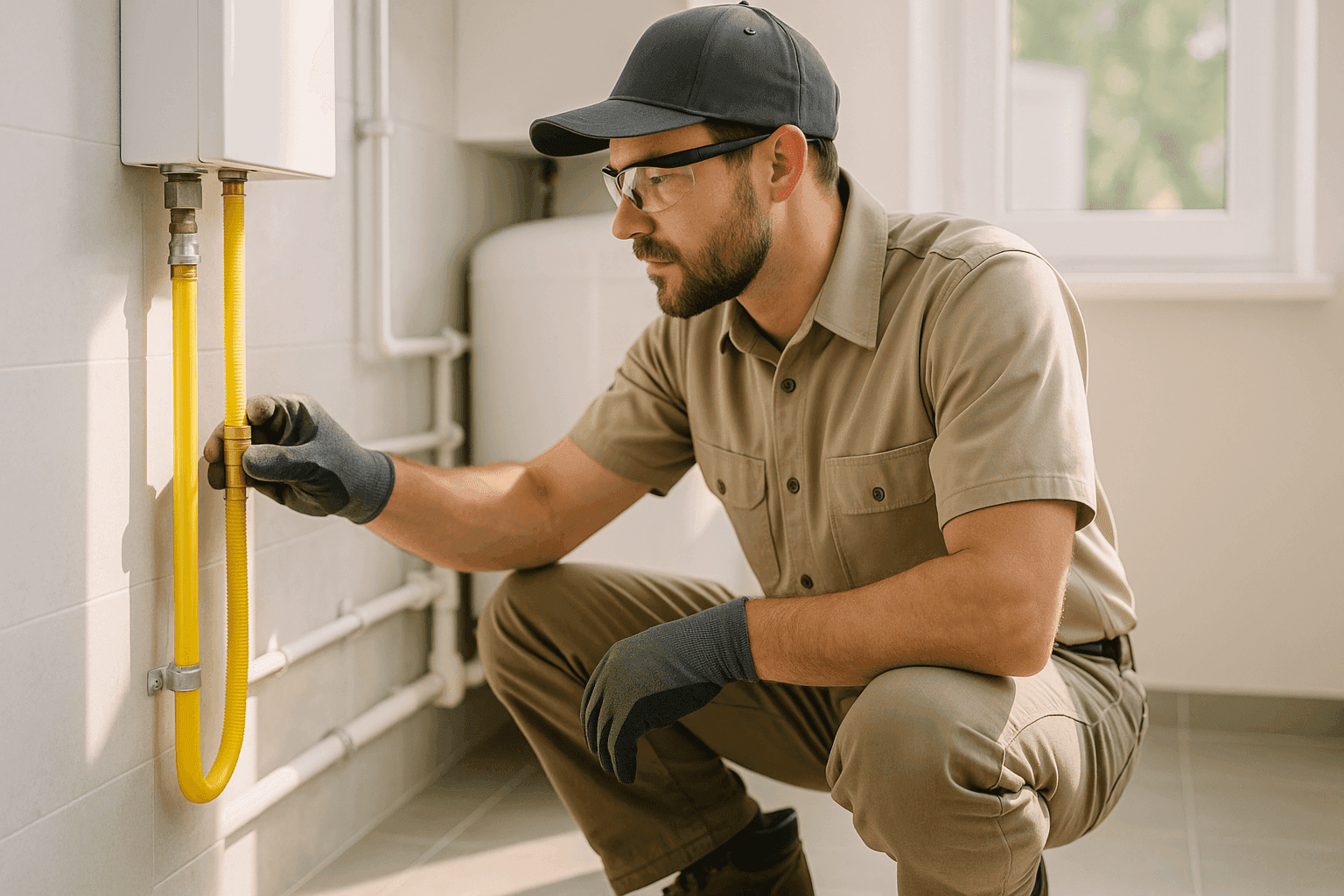
Gas lines are the silent backbone of countless homes. They heat water for showers, power ovens for family dinners, and keep us warm on frigid nights. But if you’ve ever smelled gas in your home, you know how quickly peace of mind can vanish.
At Veterans Plumbing, we’ve seen firsthand how gas line installation and replacement can turn from routine to urgent. When it comes to your family’s safety, there’s no room for shortcuts. This guide walks you through the essentials—process, permits, safety, and when to call in the pros for emergency plumbing.
Why Professional Gas Line Installation Matters 🛠️
Gas isn’t just another utility. It’s like handling a loaded paint sprayer—great in skilled hands, but a single mistake can create a mess nobody wants. Here’s why you need a certified, licensed plumber for any gas line work:
- Safety First: Natural gas is highly flammable. Even a pinhole leak can pose serious risks, including fire, explosion, or carbon monoxide poisoning.
- Legal Requirements: Most municipalities require gas line installation to be done by licensed professionals. Local building codes and inspections are not optional—they’re mandatory.
- Home Insurance: DIY gas work could void your homeowner’s policy. Insurers expect licensed, insured work for any line touching fuel sources.
- Accuracy: Pros use calibrated pressure gauges, leak detectors, and follow rigid installation standards (refer to National Fuel Gas Code, NFPA 54).
Case Study:
One family called us after their “handy friend” tried to reroute a gas pipe for a new stove. The result? A tiny, undetected leak led to headaches and a near-miss emergency. We traced the leak, did a full repipe, and got it inspected—showing why professional work is non-negotiable.
Typical Costs and Permits
Gas line installation costs vary, like the difference between patching a tire and replacing a whole set. Here’s what influences the price:
- Project Scope: Running a line a few feet for a new grill costs far less than a full-home repipe.
- Material: Black iron, copper, or flexible CSST each have different price tags and installation needs.
- Access: Finished walls, slab foundations, or tight crawlspaces can add labor.
- Permits: Municipalities almost always require permits. This involves fees and scheduling inspections. Permit costs can range from $50 to $300, depending on location.
Inspections:
Before you’re cleared to use your new gas line, a city or county inspector checks the work. They look for code compliance, leak tests, and safety measures. Without a passed inspection, utilities may refuse to turn on your gas.
Pro Tip:
Plan for both the cost of labor and the “paperwork”—permits, inspections, and possible re-inspection fees.
Gas Safety Best Practices
Think of gas safety like buckling your seatbelt. It’s the simple step that prevents catastrophe.
- Always ventilate work areas.
- Install and test carbon monoxide detectors near bedrooms and gas appliances.
- Never ignore the odor of rotten eggs—Mercaptan is added for detection.
- Know where your gas shutoff valve is.
- Schedule annual gas safety checks, especially after home renovations.
Refer to guidelines from the National Fire Protection Association (NFPA) and your local building department for specifics on gas appliance clearances, shutoff valve requirements, and approved materials.
DIY vs. Call a Pro
Tackling a leaky faucet? Go for it. But gas lines are a different animal.
- DIY Risks:
- Missed leaks (can be deadly)
- Non-compliance with local code
- Invalid warranties and insurance
- When to Call Veterans Plumbing:
- You’re adding or moving gas appliances
- You suspect a leak (smell, hissing, or dead plants near lines)
- You’re unsure if your home is up to current code
DIY fixes are like patching a dam with duct tape—temporarily satisfying, but risky in the long run.
What Pros Do On Arrival
When you call for gas line installation near you, here’s what a licensed plumber does:
- Consultation:
Assess your needs—new appliance, replacement, or emergency. - Site Inspection:
Survey the route, check for existing utilities, and spot code issues. - Permitting:
Pull appropriate permits before breaking ground or wall. - Installation:
Use approved materials, proper fittings, and secure joints. - Pressure Testing:
Lines are pressurized and checked for leaks using soap solution or electronic detectors. - Inspection:
Schedule and pass a municipal inspection. - Restoration:
Reconnect appliances, test operation, and clean up the site.
All work is insured, and Veterans Plumbing carries full liability and workers’ compensation coverage for peace of mind.
Prevention & Maintenance
Like changing the oil in your car, routine checks keep gas systems running safely.
- Annual Inspections:
- Have lines and appliances checked for corrosion, leaks, or code changes.
- Upgrade Aging Pipes:
- Replace outdated materials (like galvanized steel) with approved piping.
- Check Appliance Vents:
- Poor venting can cause dangerous backdraft and carbon monoxide buildup.
- Watch for Warning Signs:
- Unusual odors, pilot lights going out, or unexplained spikes in bills.
Regular maintenance isn’t just smart—it’s required by many local ordinances.
Costs & Time Factors
Gas line installation pricing is like building with LEGO blocks—every project snaps together differently. Here are the broad strokes:
- Typical Range:
- Small appliance hook-ups: $200–$700
- Full home repiping: $2,000–$5,000+
- Factors:
- Distance from main supply
- Number of appliances
- Wall or floor repairs after installation
- Time:
- Quick fixes: 2–4 hours
- Extensive jobs: 1–3 days (including inspection scheduling)
Emergency plumbing calls may cost more due to after-hours rates or urgent permit pulls.
When It’s an Emergency
Some problems can’t wait. If you:
- Smell strong gas odor indoors
- Hear hissing from a line
- Suspect a leak after a storm, quake, or construction mishap
Leave the house immediately. Shut off the main gas valve if it’s safe. Call emergency services, then reach out to Veterans Plumbing for urgent repairs.
Our emergency plumbing team is trained to locate, isolate, and repair leaks—day or night.
FAQ: Gas Line Installation
How do I know if my gas line needs replacement?
If your line is rusted, corroded, or leaking—or if you’re upgrading appliances—it’s time to call a professional.
Are permits really necessary?
Yes. Permits and inspections are required by law in almost all areas. They ensure safe installation and protect your home’s value.
Can I use flexible gas connectors for DIY appliance installs?
Only if local codes allow, and even then, a licensed plumber should inspect your work.
How often should gas lines be inspected?
Most experts recommend annual inspections, especially in older homes or after renovations.
Local and Seasonal Considerations 🌦️
Climate and location affect gas line installation. In areas with freezing winters, lines need to be buried deeper to prevent frost heave. High-humidity zones may require corrosion-resistant piping. If you live in an earthquake-prone region, seismic shutoff valves are often mandatory by code.
Always check with your local building department or the International Residential Code (IRC) for specific requirements in your area.
Gas line installation is serious business. If you need work done—or suspect a leak—don’t wait. Call Veterans Plumbing now — or reach us anytime at 844-708-3719 . Your safety is our mission.