How to Maintain Your Home Plumbing System Year-Round
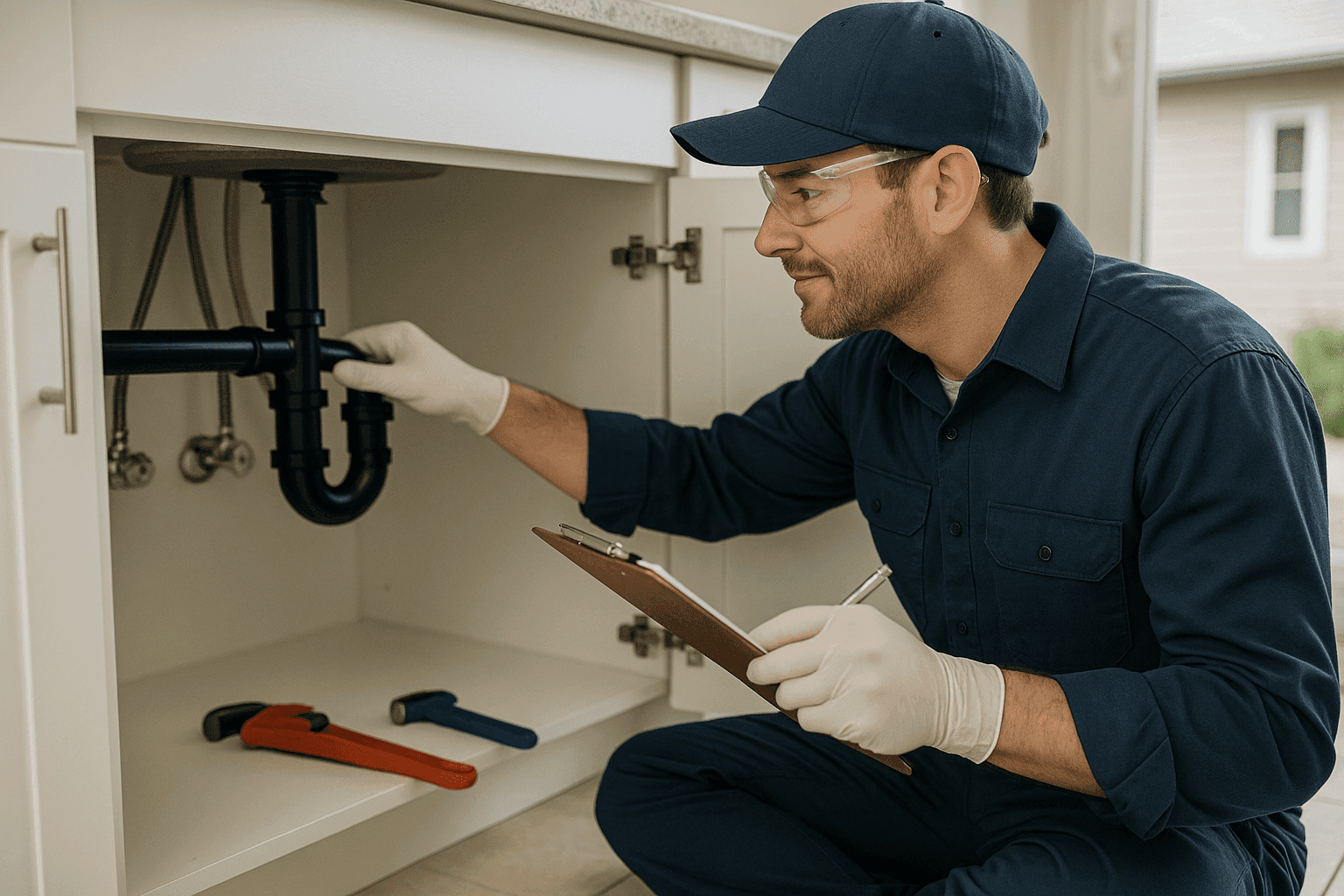
Every home or small business relies on plumbing. But most people only think about pipes and drains when something goes wrong. A burst pipe or leaking water heater can quickly turn a calm day upside down. At Veterans Plumbing, we know that regular care is the secret to avoiding those late-night emergencies and costly repairs.
Think of your plumbing like the circulatory system of a building. It needs attention, seasonal checkups, and a little TLC to keep everything flowing smoothly. Let’s walk through practical ways to keep your system healthy—no matter what the calendar says.
Why Year-Round Plumbing Maintenance Matters
Plumbing problems don’t wait for a convenient moment. A slow drip can become a flood. Clogged drains can shut down your kitchen or bathroom. And when water damage strikes, it’s often expensive and stressful to fix.
Regular maintenance is like putting on a raincoat before the storm hits. By taking small steps throughout the year, you can:
- Prevent surprise breakdowns
- Catch leaks before they cause structural damage
- Extend the lifespan of pipes, fixtures, and appliances
- Save money on water bills and emergency plumbing calls
Seasonal Plumbing Maintenance Tips 🛠️
Every season brings its own challenges. Here’s how to stay ahead:
Winter Preparations: Preventing Frozen Pipes and Leaks
Cold weather is tough on plumbing. Water expands as it freezes, and that can crack pipes—sometimes behind walls or under floors where you can’t see the damage until it’s too late.
Winter Checklist:
- Insulate exposed pipes in basements, crawl spaces, attics, and garages.
- Disconnect outdoor hoses and shut off exterior faucets.
- Let a trickle of water run from faucets on especially cold nights.
- Open cabinet doors under sinks to let warm air circulate around pipes.
- Check for drafts near water lines and seal any gaps.
If you’re leaving home for an extended period, set the thermostat no lower than 55°F (13°C) to prevent freezing.
Spring Cleaning: Drain and Sump Pump Checks
As the world thaws, it’s time for a fresh start. Spring is ideal for spotting issues that winter may have hidden.
Spring Checklist:
- Test your sump pump by pouring water into the pit—make sure it turns on and drains properly.
- Clear debris from gutters, downspouts, and outdoor drains.
- Look for signs of leaks under sinks, around toilets, and behind appliances.
- Clean faucet aerators and showerheads to remove mineral buildup.
- Schedule a professional drain cleaning if you notice slow drains or gurgling sounds.
Summer and Fall: Inspecting Fixtures and Water Heaters
Summer’s heat and fall’s changing leaves can stress your plumbing in different ways.
Summer & Fall Checklist:
- Check washing machine hoses for cracks or bulges; replace if worn.
- Inspect toilets for running water or weak flushes.
- Drain and flush your water heater to remove sediment (follow manufacturer’s instructions).
- Examine outdoor plumbing fixtures for leaks or damage.
- Test water pressure—low pressure could signal a hidden leak or buildup.
As leaves drop, keep outdoor drains clear to prevent backups and flooding.
Preventative Maintenance Best Practices
Routine checks are the backbone of a healthy plumbing system. Here’s how to stay ahead of trouble:
Leak Detection and Repair
Leaks are sneaky. A small drip can waste thousands of gallons of water a year and lead to mold or rot. Look for:
- Damp spots on walls, ceilings, or floors
- Musty odors near plumbing fixtures
- Unexplained spikes in your water bill
Consider installing leak detectors or smart water sensors for early warnings. The Environmental Protection Agency (EPA) recommends fixing leaks promptly to conserve water and prevent damage.
Backflow Prevention
Backflow happens when dirty water flows backward into clean supply lines. This can contaminate drinking water and pose health risks.
- Schedule annual backflow testing if you have a sprinkler system or other cross-connections.
- Install backflow preventers on outdoor faucets and irrigation systems.
- Check local plumbing codes for specific requirements.
Water Pressure Monitoring
Too much pressure can strain pipes and appliances. Too little, and everyday tasks become frustrating.
- Use a simple gauge to check your home’s water pressure (ideal range: 40–80 psi).
- Install a pressure-reducing valve if needed.
- Call for help if you notice sudden drops or spikes in pressure.
Emergency Preparedness: What to Do Before Help Arrives 🚨
Emergencies strike fast. Knowing what to do in the first moments can limit damage and keep your family or business safe.
Before the plumber arrives:
- Shut off the main water valve (know where it is ahead of time).
- Turn off electricity to affected areas if water is near outlets or appliances.
- Move valuables and electronics away from the leak or flood.
- Use buckets or towels to contain spreading water.
- Avoid using chemical drain cleaners—they can damage pipes and create hazards.
Signs You Should Call for Emergency Plumbing Help
Some plumbing issues can’t wait. Call for emergency plumbing if you notice:
- Sudden loss of water pressure throughout the building
- Sewage backing up into sinks, tubs, or toilets
- Burst pipes or uncontrolled leaks
- Water heater making loud noises or leaking
- Gas smells near appliances or gas lines (leave the building immediately and call emergency services)
Trustworthy Service from Licensed Technicians
At Veterans Plumbing, our team is fully licensed and trained in the latest safety codes and plumbing technology. We perform safety checks, code-compliant installations, and thorough inspections. Scheduled maintenance visits catch problems before they escalate.
Practical Tips to Protect Your Plumbing Investment
- Schedule annual inspections for water heaters, pipes, and sewer lines.
- Replace old or corroded pipes before they fail.
- Use drain screens to catch hair and debris.
- Don’t flush wipes, paper towels, or grease down toilets or drains.
- Test sump pumps and backflow preventers regularly.
Frequently Asked Questions
How often should I have my plumbing inspected?
Most homes and businesses benefit from a plumbing inspection once a year. If your building is older or has a history of issues, twice a year may be wise.
Are chemical drain cleaners safe for my pipes?
We recommend avoiding chemical drain cleaners. They can corrode pipes and harm the environment. Mechanical cleaning or professional services are safer and more effective.
What’s the best way to prevent frozen pipes?
Insulate exposed pipes, keep heat circulating in cold areas, and let faucets drip during freezing weather. If you’re unsure, ask a professional to assess your risk.
How do I know if I have a hidden leak?
Watch for unexplained water bills, damp spots, or musty smells. Smart leak detectors can provide instant alerts if they sense moisture.
Special Considerations for Home and Small Business Plumbing
- Commercial kitchens and bathrooms see higher use—schedule more frequent maintenance.
- Restaurants and small businesses should have grease traps and backflow preventers serviced regularly.
- Homeowners with basements or crawl spaces should check for moisture and sump pump function, especially before rainy seasons.
- If you have a water filtration system or water softener, follow manufacturer guidelines for filter changes and maintenance.
Protecting your plumbing system is an ongoing job. But with practical steps and professional support, you can keep everything running smoothly—season after season.
Call Veterans Plumbing now — or reach us anytime at 844-708-3719 .