How to Prepare Your Plumbing for Seasonal Weather Changes
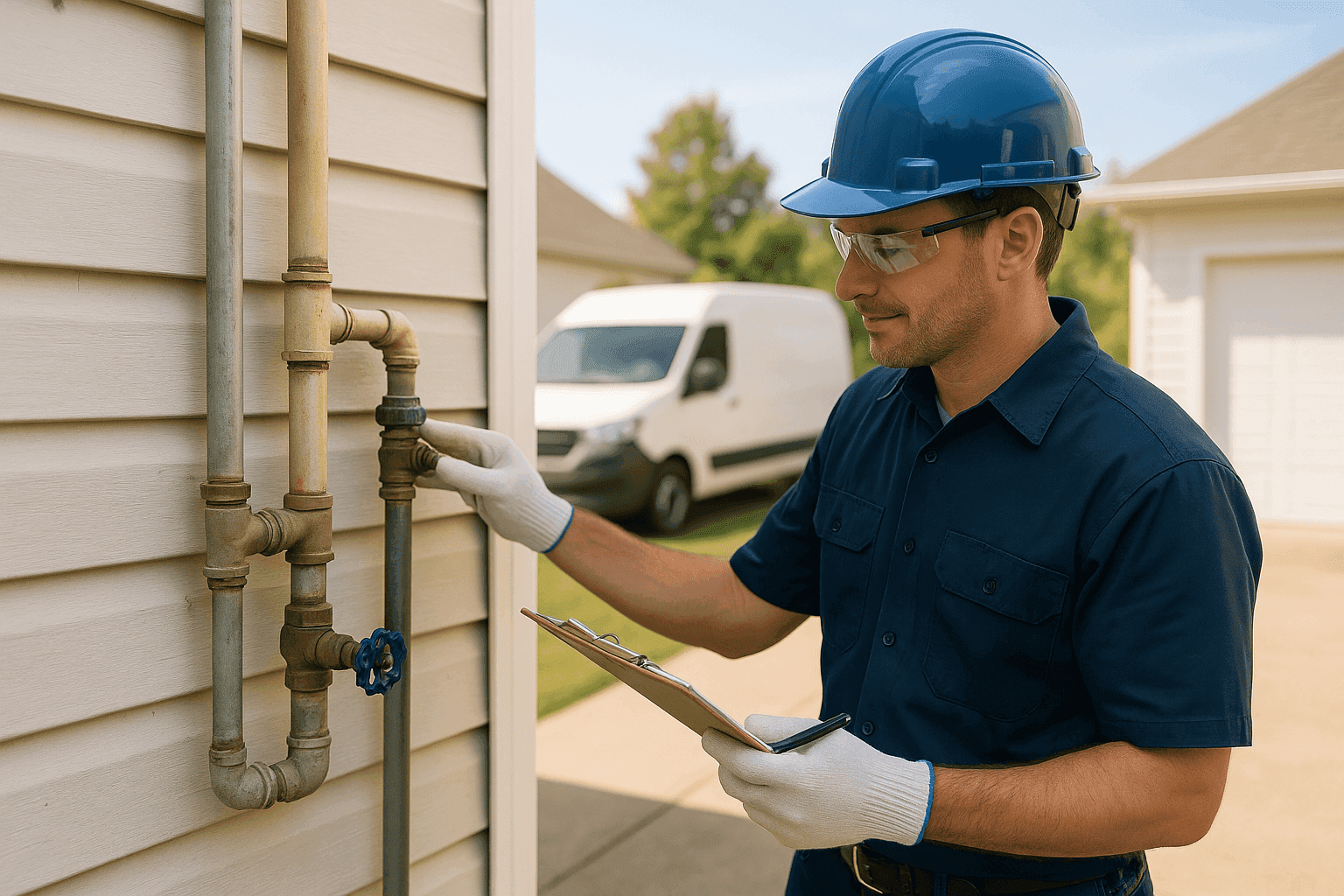
When the seasons change, your plumbing feels it too. Pipes, fixtures, and water heaters must weather everything from icy blasts to summer scorchers. If you’ve ever dealt with a burst pipe or a flooded basement, you know how quickly a small issue can turn into a major emergency.
At Veterans Plumbing, we help homeowners and small business owners stay ahead of the weather. Our licensed team has seen it all—and fixed it all. Here’s how you can protect your plumbing investment, avoid emergency plumbing headaches, and keep water flowing smoothly year-round.
Understanding Seasonal Plumbing Risks 🚨
Weather changes are like plot twists for your pipes. One day, everything’s fine. The next, a freeze or a heatwave exposes hidden weak spots.
Common Issues to Watch For
- Frozen Pipes: Water expands as it freezes. Pipes can crack or burst, causing leaks and water damage.
- Leaks: Sudden temperature swings stress joints and seals, leading to drips or hidden leaks.
- Water Pressure Fluctuations: Changes in temperature and demand can strain your system, affecting showers, sinks, and appliances.
- Clogs: Leaves, dirt, or debris from storms can clog drains and downspouts, especially after heavy rain.
- Sump Pump Overload: Melting snow or summer storms can overwhelm sump pumps, leading to basement floods.
Why Prevention Matters
Small plumbing problems rarely stay small. A little drip under the sink can become a waterfall if ignored. And in an emergency, every second counts. That’s why regular checks and seasonal prep are so important.
Winter Plumbing Preparation
Winter is tough on plumbing. Freezing temperatures turn pipes brittle. Insulation and a little planning can save you a world of trouble.
Insulate Exposed Pipes
Pipes in crawl spaces, garages, or along exterior walls are most at risk. Wrap them in foam insulation sleeves or use heat tape (UL-listed only for safety). Even old towels can help in a pinch.
- Focus on: Basements, attics, garages, and outdoor spigots.
- Check: Pipe insulation for gaps or signs of wear each fall.
Winterize Outdoor Fixtures
Hose bibs and outdoor faucets can freeze fast. Disconnect hoses, drain the lines, and install insulated covers. If you have irrigation systems, shut them down and blow them out before the first hard freeze.
Sump Pump Checkup
Sump pumps are your last line of defense against flooding. Test yours before winter storms hit:
- Pour a bucket of water into the sump pit. The pump should kick on and drain the water quickly.
- Make sure the discharge line is clear of debris and drains away from your foundation.
Seal Drafts and Leaks
Cold air sneaks in through tiny cracks. Seal gaps around pipes where they enter walls. Weatherstripping and caulk help keep warm air in and cold air out.
DIY Winter Plumbing Checklist
- Open cabinet doors under sinks to let warm air circulate.
- Let a trickle of water run overnight during deep freezes.
- Know where your main water shutoff valve is—label it for quick access.
Summer Plumbing Tips
Summer brings its own set of challenges. Heat, humidity, and extra water use can strain your system.
Water Heater Efficiency
Your water heater works year-round. In summer, sediment buildup can make it less efficient.
- Drain a few gallons from the tank every six months to flush out sediment (follow manufacturer instructions).
- Check the temperature setting: 120°F is usually hot enough and saves energy.
Inspect Irrigation and Outdoor Plumbing
Sprinklers, garden hoses, and outdoor sinks see heavy use during warm months.
- Look for leaks: Wet spots or unusually high water bills can signal a problem.
- Clean sprinkler heads and check for clogs or misdirected spray.
Prevent Summer Clogs
Summer storms can wash debris into drains. Grease from cookouts and food scraps can clog kitchen sinks.
- Don’t pour grease down the drain. Wipe pans with a paper towel first.
- Use drain strainers in sinks and tubs to catch hair and debris.
Monitor Water Pressure
High water use—think kids home for summer or busy restaurants—can reveal pressure problems.
- If faucets sputter or pressure drops, check for hidden leaks or call a pro for a pressure test.
Emergency Plumbing Readiness
No one expects a plumbing emergency. But a little prep goes a long way.
Know Your Shutoff Valves
Every minute counts during a leak. Make sure everyone in the house or business knows where the main shutoff valve is—and how to use it.
- Label the valve clearly.
- Test it quarterly to ensure it turns easily.
Keep Emergency Supplies Handy
- Plunger (for toilets and drains)
- Pipe insulation or heat tape (for quick fixes)
- Adjustable wrench
- Bucket and towels
Create an Emergency Plan
- Post emergency plumbing contacts near the phone.
- Know which appliances and fixtures to turn off first.
- Practice what to do in case of a burst pipe or major leak.
When to Call for Emergency Plumbing
- Major leaks or burst pipes
- Sewage backups
- No water or dangerously low pressure
- Gas line smells (leave the building and call emergency services immediately)
DIY Checks vs. Calling a Pro
Some tasks are safe for a handy homeowner. Others need a licensed technician.
What You Can Do
- Insulate pipes
- Drain water heaters (if you’re comfortable)
- Test sump pumps
- Check for visible leaks
When to Call Veterans Plumbing
- Persistent leaks or water stains
- Unexplained spikes in water bills
- Low water pressure throughout the house
- Strange smells (especially gas or sewage)
- Boiler, water heater, or sump pump malfunctions
Our technicians are fully licensed, insured, and trained on the latest safety codes (see the International Plumbing Code and National Standard Plumbing Code for reference). We use advanced leak detection, pipe repair, and emergency plumbing techniques to keep your system safe.
What Pros Do On Arrival
When you call Veterans Plumbing, here’s what to expect:
- Assessment: We quickly identify the source of the problem using specialized tools.
- Containment: Immediate steps to stop leaks, shut off water, or prevent further damage.
- Repair: Safe, code-compliant repairs to pipes, fixtures, or appliances.
- Prevention: Recommendations to avoid future issues—like better insulation or regular maintenance.
Prevention & Maintenance
Routine care keeps plumbing strong through every season.
Year-Round Plumbing Tips
- Schedule annual inspections for pipes, water heaters, and sump pumps.
- Test backflow prevention devices as required by local code.
- Clean out drains and gutters before storms.
- Install water filtration systems to protect appliances and improve water quality.
Gas Safety Checks
If you have gas lines for water heaters or appliances, schedule regular safety checks. Gas leaks are serious—never ignore a rotten egg smell.
Water Filtration and Quality
Seasonal changes can affect water taste and clarity. Filters and regular maintenance help keep water fresh and safe.
Costs & Time Factors
Plumbing maintenance is an investment that saves money in the long run.
- Insulating pipes: Usually takes a few hours and is affordable.
- Winterizing outdoor fixtures: Quick DIY task or part of a fall service call.
- Annual inspections: Typically last 1–2 hours, depending on system size.
- Emergency repairs: Time varies based on severity. The faster you call, the less damage and cost.
Ignoring small issues can lead to expensive emergency plumbing calls and water damage repairs. Prevention is always cheaper than restoration.
When It’s an Emergency
If you see water spraying, hear a loud bang, or smell gas, act fast.
- Shut off the main water valve.
- Turn off the water heater (especially if it’s gas).
- Evacuate if you smell gas; call emergency services.
- Call Veterans Plumbing for immediate help.
Remember, some emergencies—like sewage backups or gas leaks—require professional intervention right away.
FAQ: Seasonal Plumbing Maintenance
How can I tell if my pipes are at risk of freezing?
Pipes in unheated spaces or along exterior walls are most vulnerable. If you notice frost on pipes or reduced water flow during cold snaps, take action immediately.
Should I turn off my outdoor water supply in winter?
Yes. Always shut off and drain outdoor faucets before freezing weather arrives.
How often should I have my plumbing inspected?
Annual inspections are best. Schedule them before the start of winter or summer for peace of mind.
What’s the best way to prevent clogs during summer?
Use strainers in all drains, avoid pouring grease down sinks, and clean outdoor drains after storms.
Special Considerations for This Service
Every property is unique. Older homes may have outdated pipes or insulation. Businesses with commercial kitchens or public restrooms face extra wear and tear. If you’re unsure what your system needs, it’s always smart to ask a licensed professional.
Veterans Plumbing is committed to safety, clear communication, and reliable service. Our technicians stay updated on plumbing codes and best practices, so your home or business is always protected.
Call Veterans Plumbing now — or reach us anytime at 844-708-3719 .