How to Prevent Plumbing Emergencies During Extreme Weather
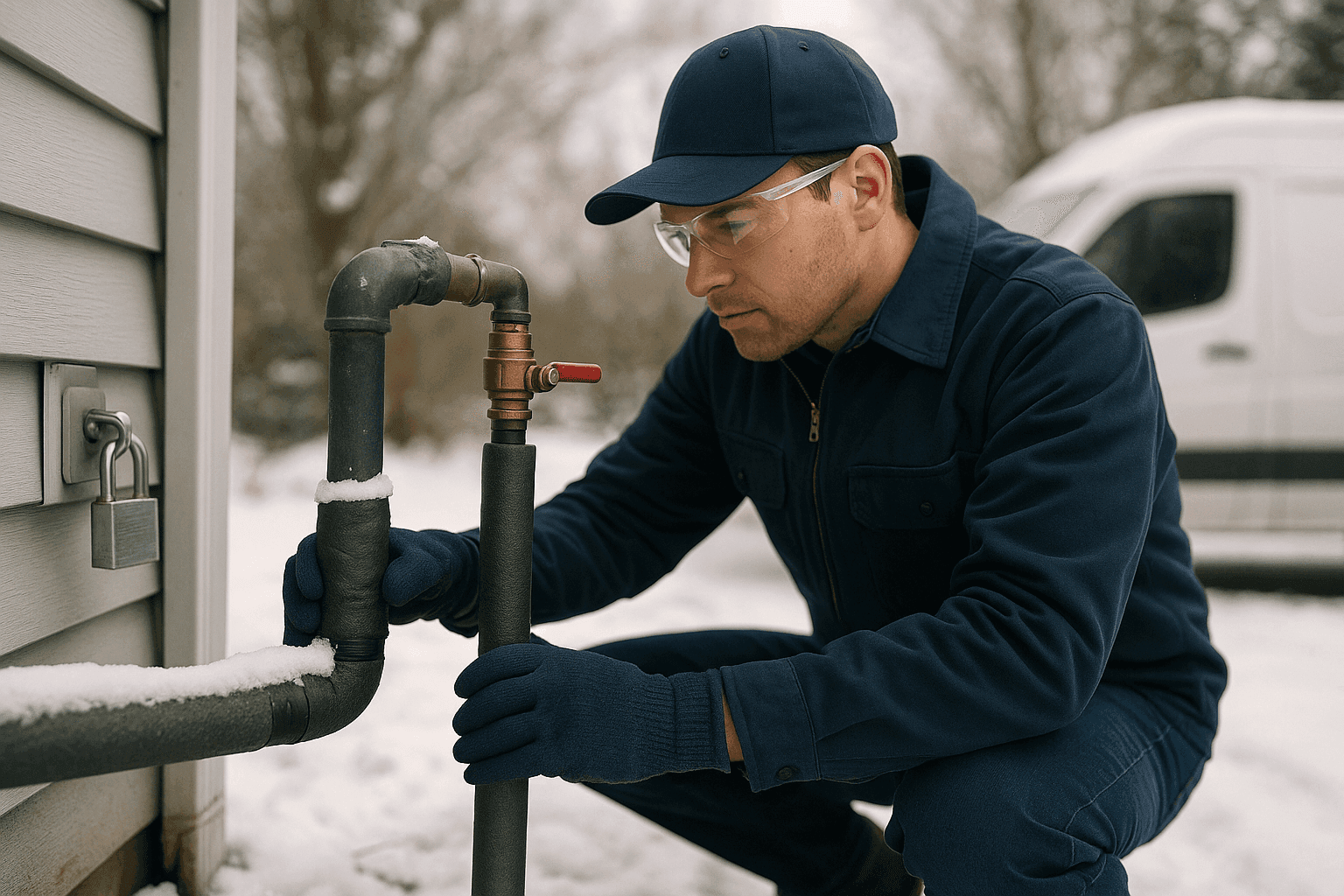
Extreme weather doesn’t just test your patience. It puts your home’s plumbing to the ultimate test. One cold snap, a sudden downpour, or a relentless heat wave—and pipes, pumps, and fixtures can turn from silent workhorses into ticking time bombs. If you’ve ever mopped up after a burst pipe or faced a flooded basement, you know the stress and cost all too well.
At Veterans Plumbing, we’ve seen it all. Frozen pipes, overwhelmed sump pumps, failing water heaters, and gas line leaks—weather can trigger chaos in any home or small business. But with the right preparation, you can dodge most disasters. Let’s walk through how to keep your plumbing steady, no matter what the sky throws your way.
Weather and Your Plumbing: The Hidden Risks
Picture your pipes like the veins of your house. When weather swings wild, those veins can freeze, burst, clog, or corrode. Here’s what to watch for:
- Freezing Temperatures: Water expands as it freezes. Pipes in unheated spaces—garages, basements, crawl spaces—are most at risk of bursting.
- Heavy Storms & Floods: Sump pumps work overtime. Drains can back up. Sewer lines face extra pressure.
- Heat Waves: Water heaters and pipes can overheat, putting pressure on joints and seals. Droughts may lower water pressure and expose leaks.
- Wind & Lightning: Storms can damage gas lines, venting, or exposed plumbing.
Ignoring these risks is like leaving your car windows down in a thunderstorm. Sooner or later, you’ll regret it.
Quick Safety Checklist for Every Season 🛠️
Want to avoid a plumbing emergency? Start with these essentials:
- Insulate exposed pipes in attics, garages, and crawl spaces
- Disconnect outdoor hoses and shut off exterior faucets before winter
- Clear gutters and downspouts to direct water away from your foundation
- Test your sump pump before storm season (pour water into the pit to check response)
- Set water heater temperature to 120°F (per U.S. Department of Energy guidelines)
- Schedule annual backflow testing and prevention device inspections
- Know where your main water shut-off valve is—and make sure it works
- Check for leaks or corrosion on visible pipes and under sinks
Small steps now can save you thousands later.
DIY or Call a Pro? Knowing Your Limits
Some plumbing prep is perfect for a weekend warrior. Other jobs? Not so much.
DIY-Friendly Tasks:
- Adding foam pipe insulation
- Draining outdoor faucets
- Cleaning gutters and downspouts
- Testing sump pump operation
Call a Professional When:
- You spot leaking, bulging, or heavily corroded pipes
- Your water heater makes odd noises, leaks, or can’t hold temperature
- Sump pump runs constantly or fails to turn on
- You smell gas or hear hissing near gas lines (leave the property and call emergency services)
Remember: Plumbing systems are like dominoes. One problem can trigger a chain reaction. When in doubt, call for help.
What the Pros Do When They Arrive
When you call Veterans Plumbing for emergency plumbing or preventative maintenance, here’s what to expect:
- Assessment: We inspect your plumbing, looking for weak spots, leaks, and signs of stress.
- Thermal Imaging & Leak Detection: Using tools like infrared cameras and acoustic sensors, we find hidden leaks or cold spots.
- Pipe Insulation & Repairs: We insulate, repair, or replace pipes as needed—following standards from the International Plumbing Code (IPC).
- Sump Pump & Backflow Device Testing: Ensuring your flood defenses are ready.
- Water Heater & Boiler Inspection: Checking for sediment, corrosion, and safe temperature settings.
- Gas Line Safety Checks: Testing for leaks, proper venting, and code compliance.
We don’t just fix problems—we help you avoid them.
Prevention & Maintenance: Your Best Insurance
Think of plumbing maintenance like brushing your teeth. Skip it, and you’ll pay for it later. Here’s how to stay ahead:
Winterizing Pipes
- Wrap pipes in unheated spaces with foam or fiberglass sleeves
- Seal cracks and holes near pipes with caulk or spray foam
- Keep cabinet doors open on cold nights to let warm air reach pipes
- Let faucets drip slightly during deep freezes to keep water moving
Protecting Sump Pumps During Storms
- Install a battery backup for your sump pump
- Test the pump every few months—pour water into the pit and watch it cycle
- Clean the pit and check the float switch for debris
- Make sure discharge lines are clear and direct water away from your foundation
Water Heater Care in Hot Weather
- Flush the tank annually to remove sediment (per manufacturer’s instructions)
- Check the temperature setting—never above 120°F
- Inspect for leaks or rust around the base
Gas Line Safety Before Storms
- Have gas lines and connections inspected by a licensed plumber
- Install excess flow valves or seismic shut-off valves if recommended
- Know how to shut off your gas supply in an emergency (review local codes and safety guides)
Routine checkups can spot trouble before it escalates. The Plumbing-Heating-Cooling Contractors Association and the American Red Cross both recommend annual inspections for peace of mind.
Costs & Time Factors: What to Expect
Plumbing emergencies rarely wait for a convenient time. The cost and time to fix them can vary:
- Minor DIY Fixes: Insulating pipes or flushing a water heater—usually under an hour, low cost.
- Professional Inspections: Typically 1–2 hours for a full plumbing checkup.
- Emergency Repairs: Broken pipes, failed sump pumps, or gas leaks can take several hours to a full day, depending on severity.
- Replacement Parts: Costs range from a few dollars for pipe insulation to several hundred for sump pumps or water heaters.
Investing in seasonal maintenance is like buying an umbrella before the storm—not after you’re soaked.
When It’s an Emergency
Not sure if you’re facing a true emergency? Here are the red flags:
- Water gushing from a broken pipe or ceiling
- Sewage backing up into tubs or sinks
- No water or very low pressure throughout the building
- Strong gas smell or hissing sound near gas lines
- Flooded basement or standing water near electrical outlets
In these cases, shut off water (or gas) at the main valve and call emergency plumbing services immediately. Safety first, always.
Frequently Asked Questions
How can I tell if my pipes are about to freeze?
Watch for frost on exposed pipes, especially in unheated areas. If water flow slows to a trickle during cold weather, pipes may be freezing. Open cabinets and let faucets drip to help prevent freezing.
How often should I test my sump pump?
Test your sump pump every three months and before heavy rains. Pour water into the sump pit and make sure the pump activates and drains properly.
What’s the best way to spot a hidden leak?
Check your water meter before and after a two-hour period when no water is used. If it changes, you may have a hidden leak. Professional leak detection can pinpoint the problem without guesswork.
Do I need a plumber to inspect my gas lines?
Yes. Gas lines require specialized tools and knowledge to inspect safely. Only a licensed plumber should handle gas line inspections or repairs.
Special Considerations for Plumbing Emergencies
Every building is unique. Older homes may have more vulnerable pipes or outdated fixtures. Commercial properties often have complex plumbing and require regular backflow prevention device checks. If you have a finished basement, consider a backup sump pump or water alarm for extra protection. Always follow local building codes and manufacturer guidelines for your plumbing systems.
Year-Round Plumbing Readiness Checklist
- Insulate exposed pipes and seal drafts
- Test sump pumps and backup systems
- Flush and inspect water heaters annually
- Check for leaks, corrosion, and loose fixtures
- Know your main shut-off valves (water and gas)
- Schedule annual professional plumbing inspections
Don’t let the weather catch you off guard. Your plumbing can handle whatever comes—if you give it the care it deserves.
Call Veterans Plumbing now — or reach us anytime at 844-708-3719 .