How to Unclog a Toilet: DIY Tips and When to Call a Pro
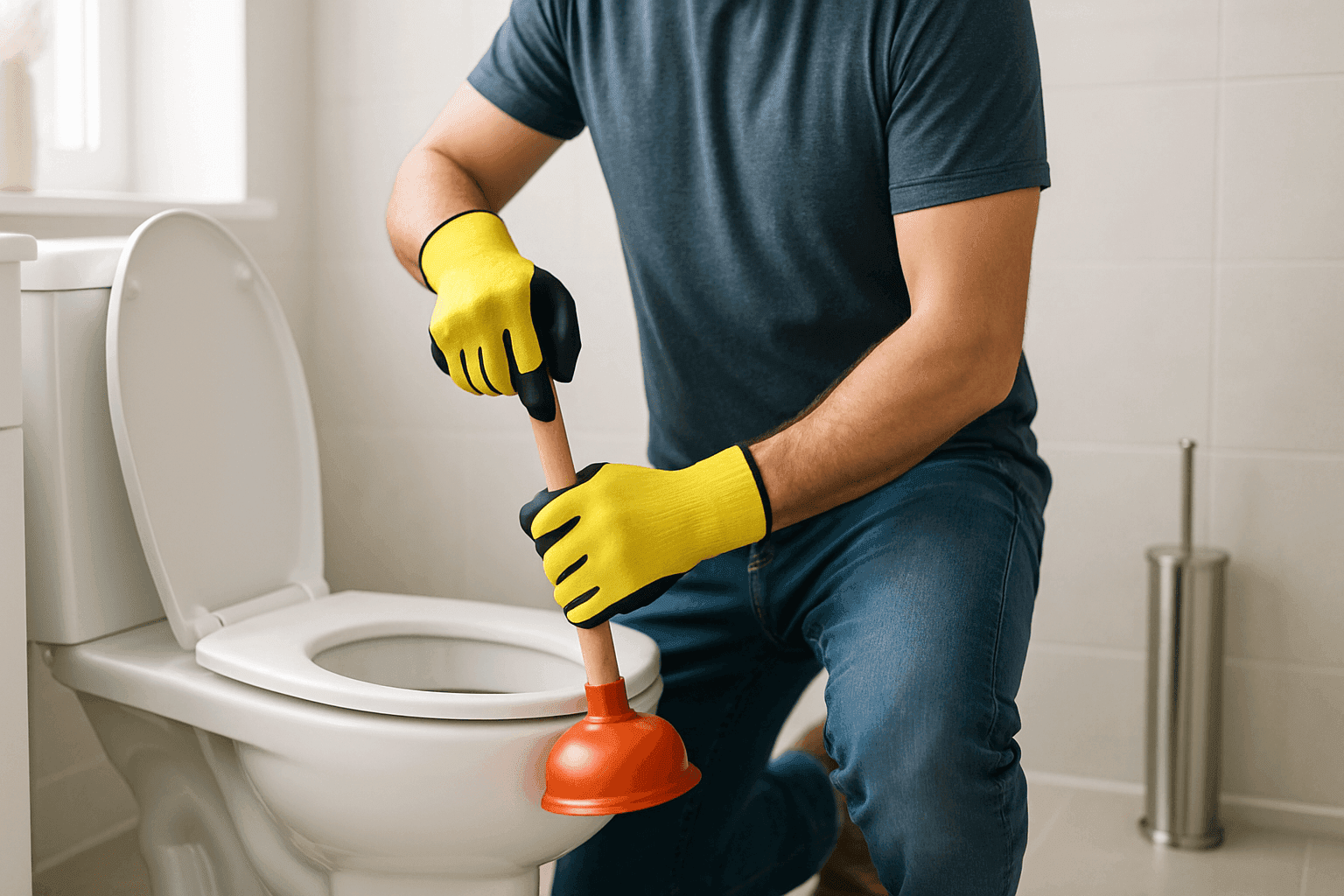
Ever have a toilet bowl fill up with water, not knowing if it’ll overflow? That moment of panic is all too familiar. At Veterans Plumbing, we know a clogged toilet can ruin your day—or night. But sometimes, with the right steps, you can fix it yourself. Other times, calling for emergency plumbing is the safest and fastest way to restore order.
We’re here to help, whether you need a simple plunger or a full sewer line inspection. Let’s talk through what causes clogs, safe DIY fixes, and when it’s time to bring in a pro.
Common Causes of Toilet Clogs 🚽
Clogs can happen to anyone. Some are easy to clear. Others hide deeper down the pipes. Here are the usual suspects:
- Too much toilet paper: Even “flushable” wipes can bunch up and act like tiny sandbags.
- Non-flushable items: Kids’ toys, cotton swabs, paper towels, or feminine hygiene products can become lodged.
- Hard water deposits: Over time, minerals can narrow pipes, making clogs more likely.
- Low-flow toilets: Some older models don’t have the pressure needed to clear waste.
- Aging pipes or tree roots: Cracks or intrusions in the sewer line can create stubborn blockages.
- Sewer backups: Sometimes, the problem isn’t in your bathroom—it’s further down the line.
A single slow flush might not seem urgent. But it’s like a canary in a coal mine: a small warning before bigger trouble.
Safety Checklist Before You Start
Before you roll up your sleeves, check these safety tips:
- Protect your hands: Use rubber gloves. Toilets aren’t the cleanest place to reach into.
- Don’t mix chemicals: Never combine drain cleaners with bleach or ammonia. Toxic fumes can result (source: American Association of Poison Control Centers).
- Avoid harsh chemicals: Stick to enzyme-based cleaners. Caustic chemicals can damage pipes and harm the environment.
- Turn off the water: If the water level is rising fast, twist the shutoff valve behind the toilet clockwise.
- Keep kids and pets away: Slippery floors, open lids, and cleaning agents are all hazards.
- Ventilate: Open a window or turn on the fan if you’re using any cleaner.
Step-by-Step DIY Fix
You don’t need a toolbox the size of a spaceship. Just a few basics and a bit of patience.
1. Use a Plunger (The Right Way)
A plunger is like the Swiss Army knife for toilet emergencies. But technique matters.

How to plunge:
- Choose a flange plunger (the kind with an extended rubber lip). It seals better.
- Place the plunger in the bowl, angling it to fill the cup fully with water, not air.
- Make sure the lip covers the drain hole.
- Push down gently at first—just enough to create a seal.
- Then use strong, quick thrusts up and down. About 15–20 seconds.
- Pull the plunger away sharply. Often, you’ll hear the water rush down.
- Repeat if needed, but avoid splashing.
2. Try a Toilet Auger
If the plunger fails, a toilet auger can snake through bends and break up tougher clogs.
- Insert the auger’s end into the drain.
- Crank the handle slowly, feeding the cable through twists and turns.
- When you feel resistance, keep gentle pressure—don’t force it.
- Pull back slowly. Sometimes, the clog comes out with the auger.
3. Use Safe Cleaners (Sparingly)
Skip the harsh chemicals. They promise quick fixes but can corrode pipes (especially older ones) and pollute water systems. Instead, try:
- Hot water and dish soap: Pour a half cup of liquid soap into the bowl, let it sit a few minutes, then add a bucket of hot (not boiling) water from waist height. Wait, then flush.
- Enzyme-based drain cleaners: These eat organic matter and are safer for pipes and the environment. Follow the label and give them time—usually overnight.
Never use boiling water—it can crack porcelain.
When to Avoid Force
Sometimes, determination isn’t your friend. Using too much force can backfire—literally.
- If water is rising and won’t stop, stop plunging and turn off the supply.
- If you hear gurgling in other drains, smell sewage, or see water backing up in sinks or showers, the clog is likely deeper. Forcing it can cause flooding.
- If you’ve plunged and augered and nothing budges, it’s time to call for emergency plumbing.
Pipes can break under pressure. That’s not a mess anyone wants.
Signs of Bigger Sewer Issues
A single clogged toilet is usually a quick fix. But these warning signs mean something larger is brewing:
- Multiple drains are slow or backed up at once.
- Water backs up into the tub or shower when you flush.
- Persistent gurgling or bubbling in pipes.
- Bad sewer odors drifting through your home.
- Lush, soggy patches in your yard (possible sewer line leak).
These are all signals to call a professional for sewer line inspection or repair.
When to Call a Plumber
DIY is great—until it isn’t. Here’s when to pick up the phone:
- You’ve tried plunging and snaking with no luck.
- Water is overflowing or won’t drain at all.
- You spot leaks around the toilet base or tank.
- You notice signs of sewer backup or suspect a broken pipe.
- You’re facing repeated clogs, even with careful flushing.
- The clog involves a main line (e.g., both toilets and sinks are slow).
Professional plumbers have tools—like high-pressure water jetters and camera inspections—that can see and fix what’s hidden deep in your pipes.
What Pros Do On Arrival
Calling in a pro doesn’t mean you’ve failed—it means you’re protecting your home and sanity.
Here’s what a plumbing technician from Veterans Plumbing might do:
- Assess the situation: Quick check for leaks, water damage, and whether the issue is local or part of a bigger problem.
- Use specialized tools: From heavy-duty augers to sewer cameras, we see what’s inside without guesswork.
- Test for backflow: Make sure dirty water isn’t flowing into clean supply lines (critical for health and safety, as required by local plumbing codes).
- Check for gas safety: Sometimes plumbing issues expose hidden gas lines—our team is trained for gas safety checks and repairs.
- Follow local codes: Any repairs or installations are done to current plumbing codes, for your safety and to protect your home value.
Prevention & Maintenance
Prevention is the best fix. A few small habits can keep clogs away:
- Flush only waste and toilet paper. No “flushable” wipes, even if the package insists.
- Teach kids what doesn’t belong in the toilet.
- Use less toilet paper, or flush twice if needed.
- Don’t pour grease, oil, or food scraps down the toilet.
- Schedule regular sewer line inspections, especially in older homes or those with mature trees.
A little vigilance beats an overflowing bowl every time.
Costs & Time Factors
How much time and money will you spend? It depends.
- DIY fixes: Plungers and augers are affordable and can solve simple clogs in 10–30 minutes.
- Professional help: Emergency plumbing services cost more, especially after hours. But they save you from water damage that can cost thousands.
- Sewer line repairs: These are bigger jobs, involving specialized gear and sometimes excavation. Costs and times vary by the severity and location of the clog.
A quick fix now can prevent a wallet-draining repair down the road.
When It’s an Emergency
Some toilet problems can wait for the weekend. Others can’t:
- Water won’t stop rising or is flooding your floor.
- Sewage is coming up through the toilet or other drains.
- You smell gas (call the gas company or 911 first, then a plumber).
- You only have one bathroom, and it’s out of commission.
In these cases, don’t wait. Emergency plumbing services are available 24/7 for a reason.
FAQ
Q: Can I use drain cleaner in my toilet?
A: It’s not recommended. Many chemical cleaners are too harsh for toilet plumbing and can harm pipes or the environment. Stick to enzyme-based options or call for help.
Q: Why does my toilet clog so often?
A: Frequent clogs can mean low water pressure, hard water buildup, or a bigger issue in the sewer line. If you’re always reaching for the plunger, consider a professional inspection.
Q: Is it safe to use a wire hanger to unblock a toilet?
A: Not really. Wire hangers can scratch porcelain and damage pipes. Use a toilet auger instead—it’s designed for the job.
Q: What should I do if water is leaking from the base of my toilet?
A: Turn off the water supply and call a plumber. A leak at the base can mean a broken seal or cracked flange, which needs professional repair.
Local & Seasonal Considerations 🌧️
Seasonal changes matter. In colder months, pipes are more likely to clog from grease and fat solidifying. Heavy rains can overload sewer systems, leading to backups. If you live in an older home or near big trees, roots can invade sewer lines—especially after wet weather.
If you’re considering upgrades (like a new water heater, repiping, or gas line installation near you), regular plumbing checkups can prevent surprises. Always make sure professionals work to current local codes for safety and peace of mind.
Toilets don’t wait for a convenient time to act up. Whether you need a quick fix or a full emergency plumbing response, Veterans Plumbing is ready to help.
Call Veterans Plumbing now — or reach us anytime at 844-708-3719 .