Preventative Plumbing Maintenance: Annual Checklist for Homeowners
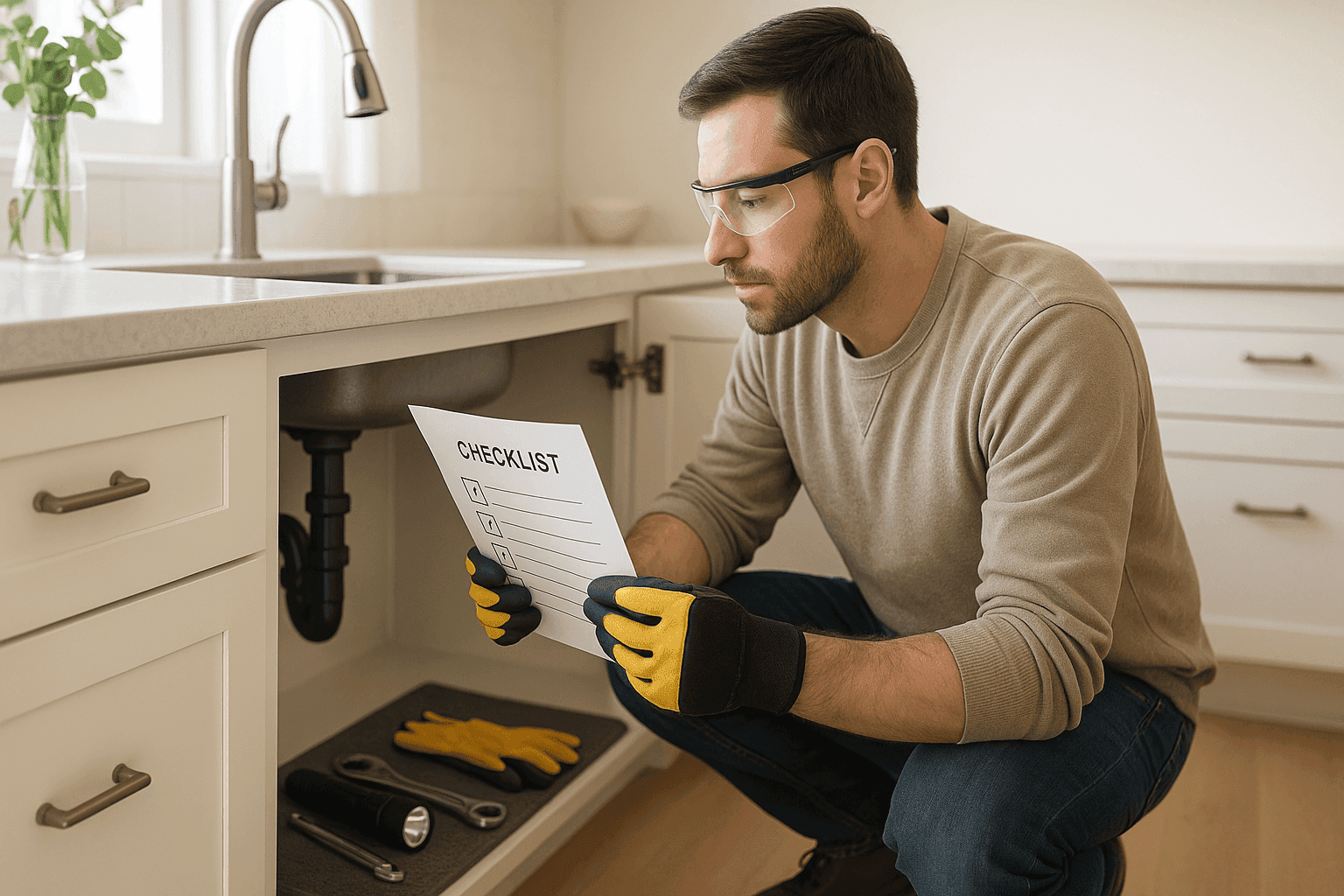
Life at home should flow as smoothly as water through pipes. When plumbing fails, though, it doesn’t just drip—it disrupts. Flooded basements. Cold showers. Toilets that turn traitor just before guests arrive.
At Veterans Plumbing, we’ve seen late-night disasters that could have been stopped by a simple checklist. With the right steps, you can dodge most emergency plumbing calls, save money, and keep your home’s heart beating strong.
Spring Plumbing Checks 🌱
Spring isn’t just for closets. It’s the season to clear out winter’s wear and tear on your plumbing. Think of it as a health check for your home. Sturdy pipes and steady fixtures mean fewer emergencies.
Annual Spring Checklist:
- Inspect for leaks: Check under sinks, around toilets, and behind appliances. Even a tiny drip can waste hundreds of gallons a year, says the Environmental Protection Agency (EPA).
- Flush the water heater: Sediment builds up like sand in a river. Drain a few gallons from the tank to keep hot water flowing and extend the heater’s life. The Department of Energy recommends this once a year.
- Test water pressure: Too high? Pipes, appliances, and fixtures take a beating. Too low? Check for hidden leaks or clogged pipes.
- Clean gutters and downspouts: Keeps water away from foundations and prevents sump pump overload.
- Check outdoor spigots and hoses: Freeze damage likes to hide here. Open valves, run water, and feel for leaks or weird sounds.
Pro Tip: If you spot rusty water, strange noises, or fluctuating pressure, it may be time for pipe repair or even repiping before summer hits.
Fall and Winter Prep ❄️
Cold weather is a sneak thief. Pipes freeze, expand, and split—sometimes in places you can’t see. Preventive steps now mean fewer frantic calls later.
Fall/Winter Checklist:
- Insulate exposed pipes: Especially in unheated basements, garages, and crawlspaces.
- Drain and store outdoor hoses: Prevents cracking and connector damage.
- Check sump pump operation: Pour water into the pit. Listen for a smooth start and stop.
- Test shut-off valves: Know where your main water and gas shut-offs are, and make sure they turn easily.
- Inspect boiler and heating system: Have a licensed pro perform annual service if you use radiant heat or a boiler. The International Association of Plumbing and Mechanical Officials (IAPMO) recommends this to reduce the risk of midwinter breakdowns.
Pro Tip: If you’re unsure about Gas Line Installation near you, always hire a licensed plumber for testing and repairs. Gas leaks are never a DIY project.
Monthly Quick Inspections 🗓️
Small checks each month keep big problems away. It’s like brushing your teeth—simple, quick, and way cheaper than major repairs.
Fast Monthly Checks:
- Look under sinks for drips or puddles.
- Run all faucets and flush each toilet. Listen for gurgles or slow draining.
- Check washing machine hoses: Bulges, cracks, or leaks mean it’s time to swap them out.
- Clean drain stoppers and strainers: Hair and debris can clog fast.
- Scan for water stains on ceilings or walls: Hidden leaks love to leave a mark.
Tip: Set a monthly calendar reminder on your phone. Five minutes, once a month, can add years to your plumbing system.
Visual Checklist & Printable PDF
Want an easy-to-follow guide? Download our Printable Annual Plumbing Checklist (PDF). Tape it inside a cabinet or keep it with your home records.
Visual Reference:
- 🔍 Leak checks (sinks, toilets, water heater)
- 🧯 Water heater flush
- 🪠 Drain cleaning
- 🛁 Fixture inspection (showers, tubs, faucets)
- 🚰 Water pressure test
- 🕳️ Sewer line inspection (if roots or backups are common)
Set Up a Reminder Calendar
Staying on schedule is half the battle. Use a wall calendar, smartphone app, or print our checklist with seasonal reminders.
- Spring: Water heater flush, leak checks, outdoor spigot check
- Fall: Pipe insulation, sump/boiler check, shut-off valve test
- Monthly: Quick scan under sinks, inspect hoses, test drains
Licensed Pro Tips (and When to Call)
Some jobs need more than a wrench and elbow grease. Here’s how to know when to handle it yourself—and when to call Veterans Plumbing.
DIY: What’s Safe
- Tightening loose faucet handles
- Replacing showerheads or washers
- Clearing minor clogs with a plunger
Call a Pro For:
- Gas Line Installation near you: Always requires a licensed plumber and gas safety checks.
- Major leaks: Water pooling, walls or ceilings bulging, sudden drop in pressure.
- Sewer line inspection and repair: Backups, foul odors, or frequent clogs.
- Water heater repair or installation: Especially tankless or gas-powered units.
- Pipe repair or repiping: Hidden leaks, corrosion, or burst pipes.
Safety Note: Plumbing codes exist for a reason. Always follow local regulations and use certified parts. The Uniform Plumbing Code and local ordinances help prevent accidents and keep your warranty valid.
Warranty, Code, and Cost Considerations
Worried about your home’s warranty? Skipping routine maintenance can void coverage. Many manufacturers and insurers require annual checks—especially for water heaters, sump pumps, and boilers.
Typical Cost & Time Ranges
- Water heater flush: 30 minutes if DIY, up to 2 hours for a pro.
- Full home leak and fixture check: 1–2 hours.
- Drain cleaning: 10–30 minutes for a minor clog; longer if pipes are old or roots are involved.
- Pipe insulation: 15 minutes per exposed run.
Staying on top of these tasks can save you thousands. One Veterans Plumbing customer caught a tiny leak under the kitchen sink during a routine check—just a damp spot on the cabinet floor. Fixing it early cost less than a pizza. Waiting could have meant new cabinets, mold remediation, and an emergency plumbing call at 2 a.m.
When It’s an Emergency
Sometimes, despite your best efforts, things go wrong fast. If you notice:
- Sudden loss of water pressure
- Water pouring from ceilings or walls
- Gas odor
- Sewer water backing up
Don’t wait. Turn off your main water/gas supply and call Veterans Plumbing. Fast response can mean the difference between a mop and a major renovation.
Frequently Asked Questions
How often should I flush my water heater?
Once a year is best, according to the Department of Energy. Hard water? Twice might be safer.
Is a small leak under the sink serious?
Yes. Even a slow drip can rot wood, grow mold, and attract pests. Fix it as soon as you spot it.
My toilet keeps running—should I worry?
It’s more than an annoyance. Wasted water adds up. Check the flapper or call for toilet repair.
What’s the best way to prevent frozen pipes?
Insulate exposed pipes and let faucets drip during hard freezes. Open cabinet doors on cold nights.
Local and Seasonal Considerations
Climate matters. In cold regions, frozen pipes are a top concern. In humid areas, mold from unnoticed leaks can spread quickly. If you live in an older home, you may need more frequent inspections—especially for sewer lines and water pressure issues.
Homes with large trees or shifting soil should schedule sewer line inspections each year. Roots are relentless. They find cracks and turn them into chaos.
Homeowners Empowered
Armed with this checklist, you’re not just staving off disasters—you’re extending the life of your plumbing and protecting your home’s value. Preventative care is the difference between smooth sailing and rough waters.
Ready to check off your list—or need a hand?
Call Veterans Plumbing now — or reach us anytime at 844-708-3719 .