Preventing Frozen Pipes: Winter Plumbing Prep for Homeowners
Winter is coming. Your pipes don’t get a say in the matter. But you do.
Every year, countless homeowners wake up to a disaster—a burst pipe, a flooded basement, or toilets that just won’t flush. At Veterans Plumbing, we see it all, and we know how fast a winter chill can turn a simple pipe into a frozen time bomb. Good news: most frozen pipe problems are preventable if you start now.
Why Frozen Pipes Are Dangerous ❄️
Frozen pipes are more than a winter inconvenience. When water inside a pipe freezes, it expands—just like a soda can left in the freezer. That pressure can split copper, crack PVC, or even snap steel. The result? Water leaks everywhere once it thaws. According to the Insurance Institute for Business & Home Safety, a burst pipe can release up to 250 gallons of water in a single day.
Common Risk Zones:
- Attics: Unheated, often overlooked, and full of exposed pipes.
- Basements: Especially near exterior walls.
- Crawl spaces: Damp, cold, and hard to insulate.
- Garages: Pipes running through or along uninsulated walls.
A single freeze can cost thousands in repairs—not to mention the stress. That’s why emergency plumbing calls spike every time a cold snap hits.
Easy Steps to Prevent Freezing
Let’s keep water moving and avoid disaster. Here’s your game plan.
Insulate Exposed Pipes:
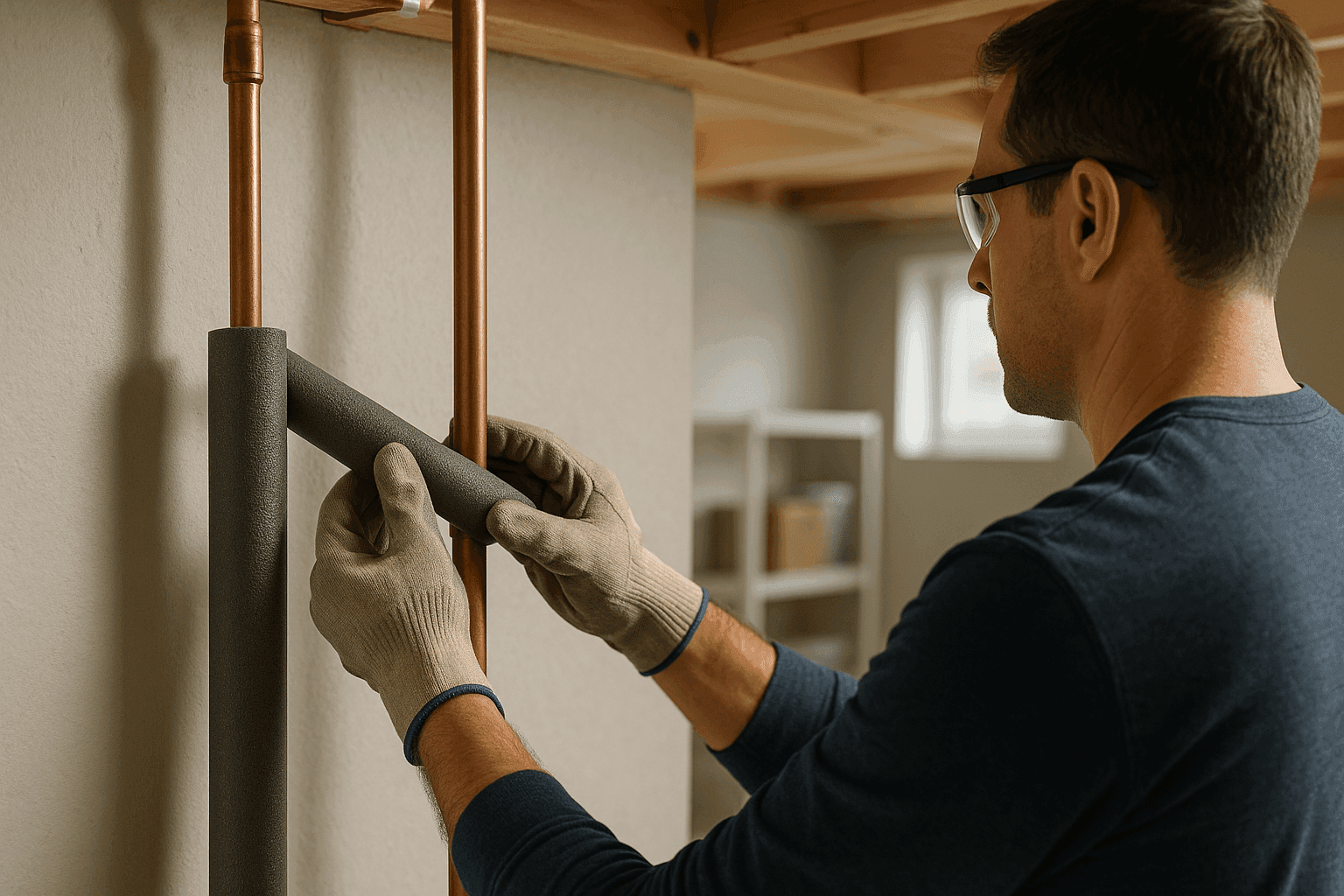
Wrap foam sleeves or fiberglass insulation around pipes in cold areas. For tight spots, use heat tape (UL-listed). Focus on attics, crawl spaces, exterior walls, and under sinks.
Seal the Leaks:
Check for drafts near pipes. Use caulk or spray foam to seal gaps where cold air sneaks in.
Let Faucets Drip:
On the coldest nights, let a trickle of water run—especially for pipes on outside walls. Even a pencil-thin stream can prevent freezing.
Open Cabinets:
Leave kitchen and bathroom cabinet doors open to let warm air reach pipes under sinks.
Keep the Heat On:
Don’t drop your thermostat below 55°F, even if you’re away.
Product Recommendations:
- Pipe insulation sleeves (3/4" foam is a good all-rounder)
- UL-listed heat tape or cable
- Expanding spray foam (for gaps)
- Portable space heaters (for garages—safety first, never leave them unattended)
What to Do If Pipes Freeze
Don’t panic. Here’s what to do if the water stops flowing or you suspect a frozen pipe:
- Keep the faucet open. As ice melts, water needs somewhere to go.
- Apply gentle heat to the frozen section. Use a hair dryer, heating pad, or towels soaked in hot water. Never use an open flame.
- Start near the faucet and work your way toward the coldest part.
- If you can’t find the freeze or pipes have split, shut off your main water supply immediately.
Warning: If you see bulging pipes, hear hissing, or spot water leaks, it’s time to call emergency plumbing help. Water damage can get worse with every passing minute.
Quick Homeowner Checklist
- [ ] Insulate attic, basement, and crawl-space pipes
- [ ] Seal exterior wall gaps near pipes
- [ ] Disconnect garden hoses and shut off outdoor faucets
- [ ] Know where your main water shutoff valve is
- [ ] Keep thermostat at 55°F or higher
- [ ] Test sump pump before the first freeze
- [ ] Schedule a professional inspection if your home is older or you’ve had frozen pipes before
Regional Tips: North vs. South
Not every winter is the same. If you’re up North, cold snaps are routine—insulation is a given. Down South, even a sudden dip below freezing can catch pipes off guard. Many southern homes have less insulation, and pipes may run through unheated crawl spaces or garages.
- Northern homeowners: Focus on crawl spaces, garages, and attics. Consider heat cables for pipes in severe climates.
- Southern homeowners: Pay extra attention to exposed pipes—these homes are less likely to be built for harsh cold. Emergency plumbing services get swamped fast during rare freezes.
When to Call a Pro
You can do a lot yourself. But if you spot leaks, see water stains, or hear the telltale hiss of a split pipe, call for help fast. Some jobs—like gas line installation near you or sewer line repair—require a licensed plumber. Don’t take chances with your home or your safety.
"A frozen pipe can burst with the force of a small fire hose," says a Veterans Plumbing technician. "If you’re not sure what to do, call before it becomes an emergency."
Before & After: Why It Matters
Homeowners who prep early see fewer emergencies. In our experience, homes with insulated pipes are 80% less likely to suffer winter water damage than those without. The difference? A weekend of prep, or months of messy repairs.
FAQ: Frozen Pipe Edition
Q: How can I tell if a pipe is frozen?
A: No water, strange smells from drains, or visible frost on pipes are all warning signs.
Q: Can pipes freeze if the heat is on?
A: Yes. Pipes in poorly insulated areas can still freeze, especially in garages or on exterior walls.
Q: Should I try to thaw pipes myself?
A: Only if you’re sure the pipe hasn’t split. Never use open flames—if in doubt, call an emergency plumbing service.
Q: What about vacation homes?
A: Shut off the main water supply, drain the system, and set the heat to at least 55°F.
Prevention & Maintenance
Think of winter plumbing prep like snow tires for your home—essential, not optional. Schedule annual inspections for leak detection, water pressure issues, and preventative maintenance. If your pipes are older, consider repiping or pipe repair before the next deep freeze.
Bonus Tips:
- Upgrade to frost-proof hose bibs.
- Install water leak detectors under sinks and in basements.
- If you’ve had multiple frozen pipes, ask about pipe rerouting or additional insulation.
Costs & Time Factors
Winter prep doesn’t have to break the bank. Basic insulation materials cost a fraction of the average burst pipe repair. Most homeowners can winterize exposed pipes in a weekend. Professional services—like pipe installation, gas safety checks, or boiler repair—take a few hours to a day, depending on the job.
If you’re dealing with a burst pipe or water heater repair during a freeze, expect longer wait times; emergency plumbing teams get busy fast during storms.
When It’s an Emergency 🚨
If water is pouring out, pipes have burst, or you smell gas, get out and call for help. Time is critical. Turn off the main water valve (usually in the basement or near the street). For gas line emergencies, leave the home and call authorities first—then a plumber.
Keep the Veterans Plumbing number handy for any emergency plumbing needs, including leak repair, sump pump repair, and sewer line inspection.
Stay ahead of winter’s worst. A few simple steps now can keep your water flowing and your home safe all season long. For urgent help or expert advice on pipe repair, gas line installation near you, or water heater installation, we’re here 24/7.
Call Veterans Plumbing now — or reach us anytime at 844-708-3719 .