Sump Pump Failure: Causes, Prevention & Emergency Actions
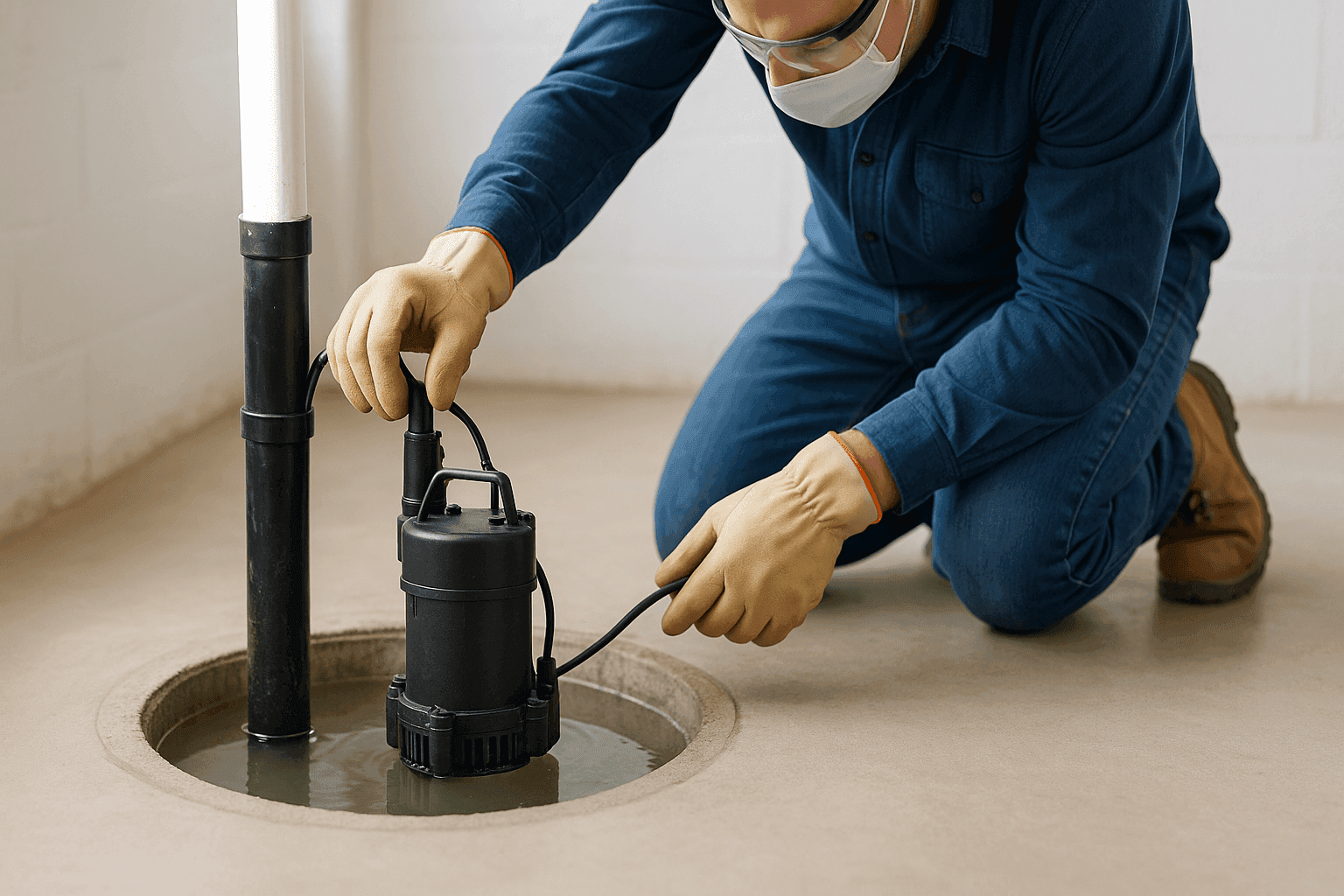
Rain is pounding. You hear thunder, then that faint gurgle from the basement. Your heart skips a beat. Water where it doesn’t belong sends dread through any homeowner. We get it—at Veterans Plumbing, we’ve seen how quickly sump pump problems turn routine storms into costly disasters.
Sump pumps are like the silent sentinels of your home’s lowest level. They work...until they don’t. Knowing why they fail, how to keep them healthy, and what to do when things go sideways can save you thousands—and a whole lot of stress.
Why Sump Pumps Fail
Sump pumps don’t fail out of spite. It’s rarely one thing. Sometimes, it’s the perfect storm—literally. Here’s what most often brings them down:
- Power Loss: Storm knocks out power. The pump sits in silence. Water rises.
- Float Switch Problems: The float is the “brain” of the pump. If it gets stuck or misaligned, the pump won’t kick on.
- Clogs: Dirt and debris sneak into the pit, blocking the pump’s intake or discharge line.
- Aging Equipment: Sump pumps don’t last forever. After 7–10 years, they’re living on borrowed time.
- Installation Mistakes: Poor setup, wrong size, or improper discharge lines can spell trouble.
- Heavy Rain or Melting Snow: Overwhelmed pumps can’t keep up, especially if underpowered.
The U.S. Federal Emergency Management Agency (FEMA) notes that basement flooding is a top cause of uninsured property loss in the country. That’s why even a “just in case” backup plan matters.
DIY Sump Pump Maintenance 🛠️
Preventing failure is like brushing your teeth: small steps, big payoff. Regular checks cut your risk of a wet basement in half.
Here’s how to keep your sump pump in fighting shape:
- Test monthly: Pour a bucket of water into the pit. The pump should kick on, drain the water, and shut off.
- Check the power: Make sure the pump’s plugged into a ground-fault circuit interrupter (GFCI) outlet.
- Inspect the float: Move it up and down. It should move freely, not stick.
- Clean the pit: Remove gravel, mud, and debris. A quick vacuum or scoop-out helps.
- Examine the discharge line: Make sure it’s clear and directs water at least 10 feet from your foundation.
- Listen: Any strange rattling or grinding noises? Time to investigate.
- Backup battery: Test it quarterly if you have one. Replace every 2–3 years.
Pro tip: Mark your calendar for spring and fall. That’s when flooding sneaks up on homeowners.
What to Do During a Failure
Water is rising. The pump’s not running. Stay calm. Quick thinking can limit the damage.
- Unplug the pump if you suspect it’s malfunctioning or sparking.
- Check your breaker box. Power outage? Reset if safe.
- Remove valuables from the basement floor—books, electronics, anything that soaks up water.
- Use towels or a wet/dry vacuum to slow the spread while you wait.
- Call emergency plumbing services like Veterans Plumbing if you see standing water or can’t restore power.
- Keep away from standing water if outlets or wiring are submerged. Safety first.
If your pump is working but can’t keep up, try not to use extra water in the house until the rain subsides.
The Importance of Backup Systems
A sump pump without backup is like a parachute with one strap. You hope it works, but is hope enough?
- Battery backups: Keep your pump running even when the grid fails.
- Water-powered backups: Use city water pressure to move floodwater if the main pump dies (check local codes).
- High water alarms: Sound the alert if water reaches critical levels.
The National Association of Home Builders recommends yearly professional inspections and backup systems for any home with a basement.
Emergency Steps for Basement Flooding 🚨
Flooded basement? Here’s what to do—fast:
- Don’t enter if water covers electrical outlets or appliances.
- Shut off electricity at the main breaker (if safe).
- Move belongings to higher ground.
- Take photos for insurance.
- Contact emergency plumbing for rapid water removal and repairs.
- Ventilate the area to slow mold growth.
Even a few inches of water can ruin flooring, walls, and cherished keepsakes. The faster you act, the less you lose.
Sump Pump Maintenance Checklist
Stay ahead of disaster. Print or save this list:
- Test pump monthly with water
- Clean pit and remove debris
- Check discharge line outdoors (clear of ice/leaves)
- Inspect float switch operation
- Listen for unusual noises
- Test battery backup quarterly
- Schedule professional inspection yearly
Seasonal Reminders
- Spring & Fall: Heaviest rains and thaw. Test and clean.
- Before vacations: Double-check pump and backup before leaving.
- After big storms: Inspect for debris and proper operation.
Frequently Asked Questions
How long does a typical sump pump last?
Most last 7–10 years, according to the International Association of Certified Home Inspectors. After that, reliability falls off.
Can I install a backup system myself?
Some battery backups are DIY-friendly, but check local codes for water-powered backups. When in doubt, call for professional installation.
Is sump pump maintenance required by code?
While not always required, many local building codes (see International Residential Code Section P3303) strongly recommend it for finished basements or flood-prone areas.
What if my basement keeps flooding even with a working pump?
Possible culprits: undersized pump, poor drainage grading outside, or a clogged discharge line. Have a plumbing professional inspect for hidden issues.
Local & Seasonal Considerations
- Cold climates: Discharge lines can freeze. Disconnect outdoor hoses and clear lines before winter.
- Heavy clay soils: Water drains slower—consider a secondary pump.
- Areas with frequent outages: Battery or generator backup is essential.
When to Call Emergency Plumbing Services
If you see:
- Standing water near electrical outlets
- Pump won’t run and water is rising
- Strange burning smell or visible sparks
- Flooding after storms despite a working pump
Don’t wait. Fast action is critical. Water damage compounds each hour it sits.
Whether you need emergency plumbing for a flooded basement or want help with preventative maintenance, Veterans Plumbing is here for you—24/7. We’re ready for the storms, the clogs, and the unexpected surprises that homes throw your way.
Call Veterans Plumbing now — or reach us anytime at 844-708-3719 .