Toilet Repair Troubleshooting: Quick Fixes & When to Replace
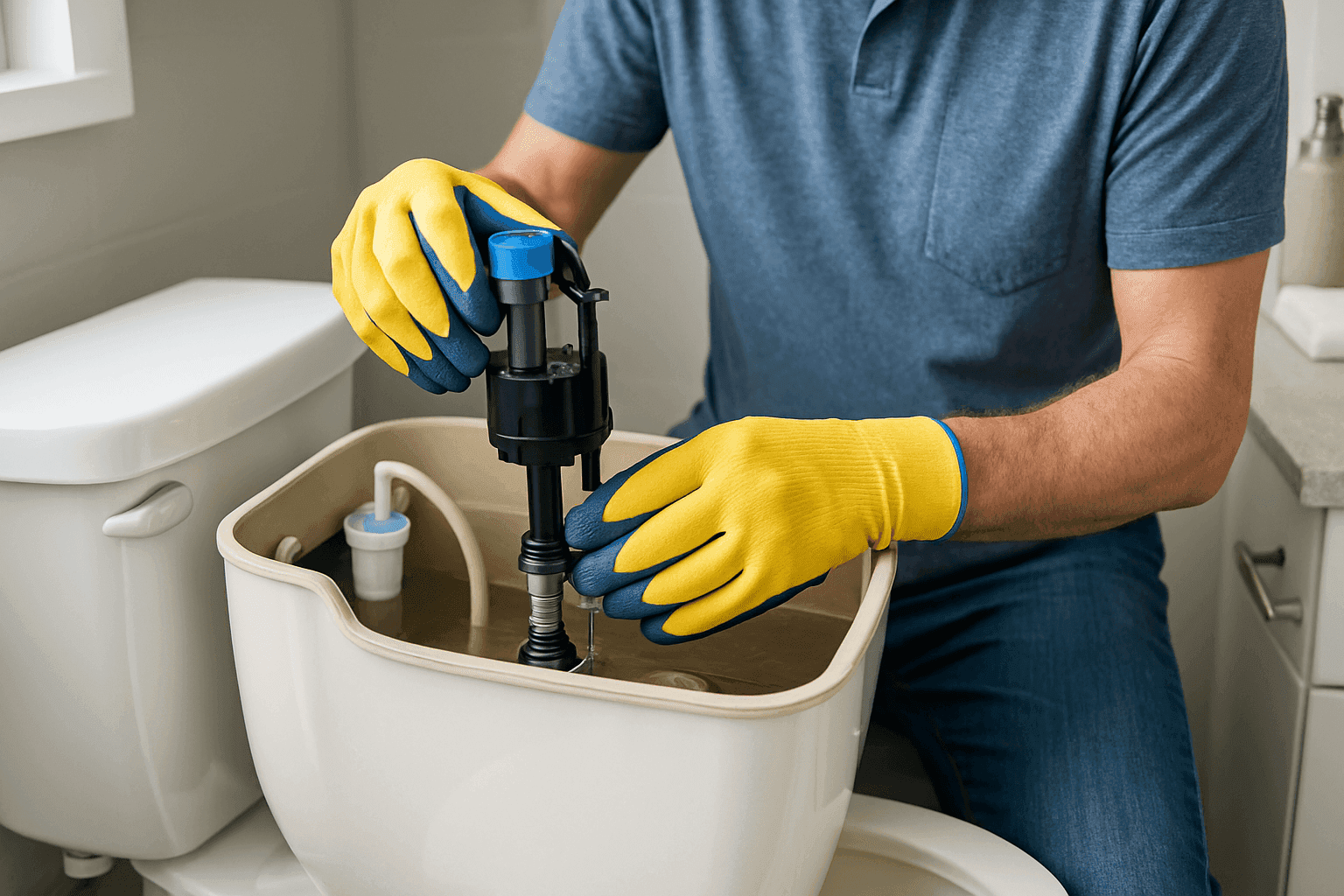
Is your toilet acting up right when you need it most? We've all been there—water running nonstop, a mystery leak dampening your floor, or a flush that fizzles out. In the middle of the night or before guests arrive, these problems can turn from minor annoyance to full-blown emergency plumbing situations.
At Veterans Plumbing, we’ve handled every bathroom blunder imaginable. With years of hands-on experience, our team knows what works, what doesn’t, and when it’s time to stop patching and start fresh. Let’s walk through the fixes you can try, and the signs it’s time to replace your toilet for good.
Common Toilet Issues 🚽
Toilets are workhorses, but even the sturdiest models hit rough patches. Here are the main culprits behind those headaches:
- Running water: That constant trickle isn’t just annoying—it’s wasting gallons.
- Not flushing: Handle goes down, nothing happens. Or worse, it overflows.
- Leaks: Water pooling at the base or dripping from the tank.
- Strange noises: Gurgling, whistling, or ghostly hissing.
- Unpleasant odors: Persistent smells despite cleaning.
If any of these sound familiar, you’re in the right place.
Quick Safety Checklist
Before you lift the tank lid or grab a wrench, take a minute:
- Turn off the water supply (look for the valve behind the toilet).
- Unplug electrical devices nearby if you’re in a bathroom with outlets.
- Wear gloves—plumbing isn’t always pretty.
- Keep towels and a bucket handy for quick cleanups.
- Know where your main water shutoff is, just in case.
It’s always better to mop up water than regret skipping a safety step.
Simple DIY Repairs
Many toilet issues come down to three main parts: the flapper, fill valve, and seals. Here’s how to tackle each:
Flapper Fails
Symptoms: Toilet runs constantly or cycles every few minutes.
Fix:
- Remove the tank lid.
- Locate the rubber flapper at the bottom. If it’s warped, cracked, or coated with slime, it’s time to replace.
- Turn off water at the valve.
- Unhook the old flapper and snap on a new one (most hardware stores carry universal models).
- Turn the water back on. Test flush.
Pro Tip: Adjust the chain—if it’s too short or too long, the flapper won’t seal.
Fill Valve Fumbles
Symptoms: Slow tank refill, weak flush, or odd noises after flushing.
Fix:
- With water off, flush to empty the tank.
- Unscrew the fill valve (usually tall, on one side of the tank).
- Install the new valve per instructions. Most twist right into place.
- Reconnect the water line, turn on water, and check for leaks.
Diagram:
- [Imagine a vertical tube with a float attached, sitting inside your tank.]
Seal Leaks
Symptoms: Water on the floor near the toilet base.
Fix:
- Turn off the water and flush.
- Disconnect the water line.
- Unscrew the bolts at the base.
- Gently rock the toilet to break the wax seal.
- Clean old wax, place a new wax ring, and reset the toilet.
- Tighten bolts; reconnect water.
Warning: If the floor is soft or rotten, stop here. Call a pro.
When Replacement Is Best
Some toilets are beyond saving. Here’s when to start shopping for a new one:
- Cracks in the porcelain: Even hairline cracks can become leaks—no safe repair.
- Frequent clogs: Newer toilets use less water and flush better.
- Age: Models from before 1994 can waste up to 7 gallons per flush! Modern toilets use just 1.28–1.6.
- Repairs cost more than half a new toilet: Sometimes, it’s more practical to invest in a replacement.
- Wobbling: If tightening bolts doesn’t help, the base or floor may be compromised.
Real-World Story
A recent customer called us after three failed DIY fixes. Her toilet was running, leaking, and starting to wobble. After a quick inspection, we found a cracked tank and a rotted wax seal. Instead of more patchwork, we installed a modern, water-saving toilet. Her water bill dropped, and so did her stress.
Frequently Asked Questions
Why does my toilet run nonstop?
Usually, the flapper isn’t sealing or the fill valve needs adjusting. Try the steps above. If it keeps running, the fill valve may be faulty—or there could be sediment buildup.
Is it safe to use chemical drain cleaners?
We don’t recommend it for toilets. Chemicals can eat away at rubber seals and pipes. Stick to a plunger or auger.
Can I replace a toilet myself?
If you’re comfortable lifting 70–100 lbs and have basic tools, yes. But if you see cracks, rotten floors, or tricky connections, it’s smart to call an emergency plumbing service.
Why does my toilet smell even after cleaning?
Odors can come from leaky seals, venting issues, or even sewer line problems. Persistent smells deserve a closer look—sometimes with a sewer line inspection.
Costs & Time Factors
- DIY repairs: Flappers and fill valves run $10–$30, usually fixed in 30–60 minutes.
- Professional repairs: More complicated leaks or seal issues may take 1–2 hours.
- Replacement: Installing a new toilet averages 1–2 hours for pros, longer if you’re learning.
- Water savings: Upgrading an old toilet can save up to $100/year on water.
Always check for local rebates or incentives for water-saving fixtures.
Prevention & Maintenance
- Inspect inside the tank twice a year for wear or buildup.
- Listen for changes—a new noise often means a part is wearing out.
- Don’t flush wipes, feminine products, or thick paper towels. Even “flushable” wipes lead to clogs.
- Run your hand around the base after cleaning—early leaks feel like damp socks.
For extra peace of mind, schedule periodic backflow testing and leak detection with a licensed plumber.
When It’s an Emergency
Some toilet problems can’t wait:
- Water pouring onto the floor
- Sewage odors or backup
- Overflowing after every flush
- No shutoff valve working
In these cases, shut off the main water supply and call for emergency plumbing help immediately. Fast action prevents water damage and health hazards.
Local & Seasonal Considerations 🌡️
- Cold climates: Frozen pipes can cause unexpected leaks or bursts. Insulate exposed plumbing in winter.
- Hard water areas: Mineral buildup shortens the life of valves and flappers. Check more often.
- Older homes: May have outdated pipework—consider a full inspection if you’re seeing recurring problems.
Always follow your city’s plumbing codes and safety guidelines. The International Plumbing Code and your local building department are excellent resources for safe, legal repairs.
Whatever the problem—quick fix or full replacement—Veterans Plumbing is here to help. For everything from Gas Line Installation near you to late-night leak repair, we’re ready around the clock.
Call Veterans Plumbing now — or reach us anytime at 844-708-3719 .