Water Filtration Systems: Choosing the Right Option for Your Home
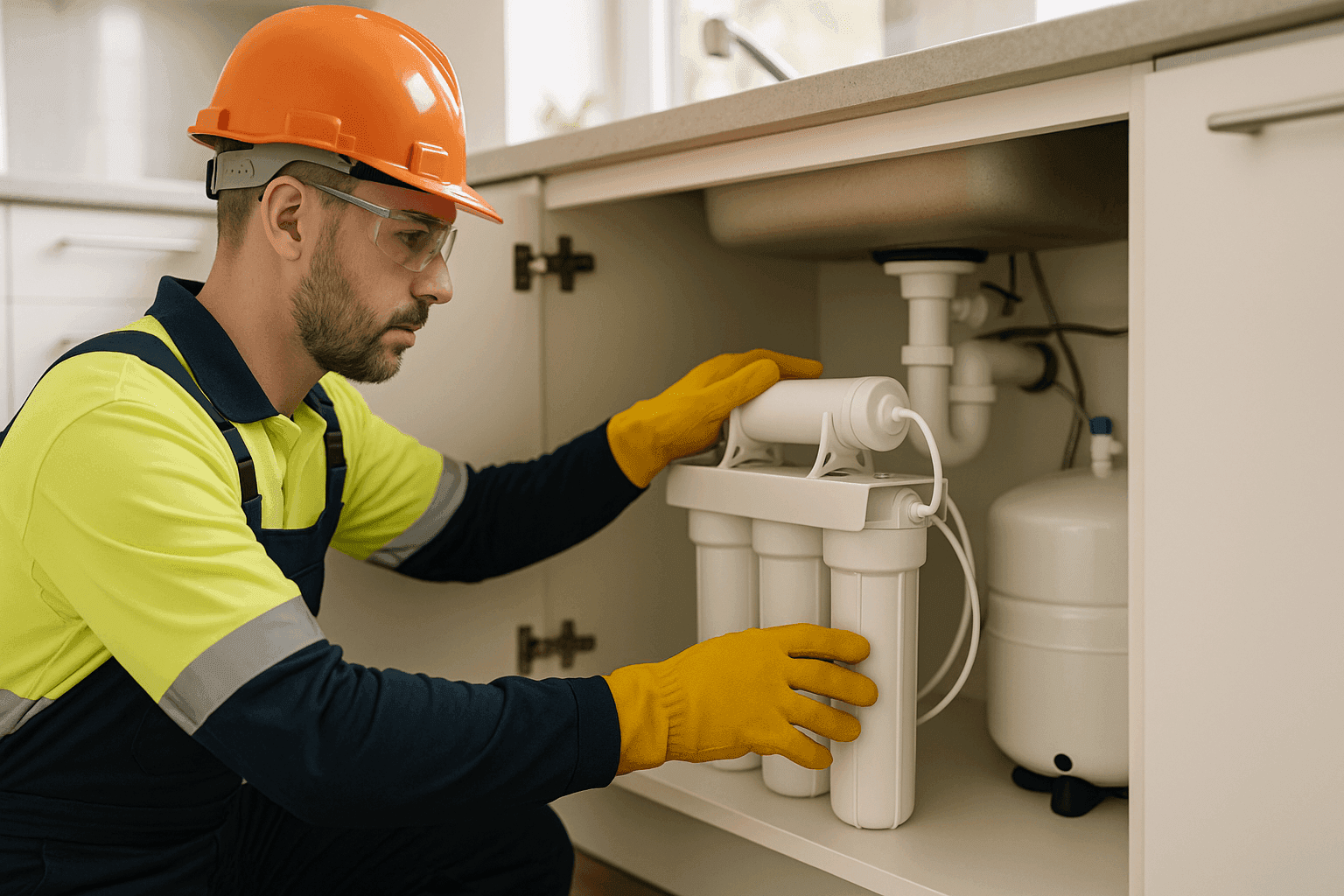
Clean water isn't just a convenience. It's a necessity—every single day. Whether you're filling a glass at the tap or running a bath for your kids, the water in your home should feel safe and taste right.
But what if it doesn't? Unpleasant taste, odd smells, or even the worry of unseen contaminants can leave anyone uneasy. At Veterans Plumbing, we understand how unsettling that can be—and we know how to help.
Why Filter Your Water? 🚰
Imagine your plumbing as the veins of your home. Water flows through, carrying life—but sometimes, it also carries things you don’t want: chlorine, sediment, lead, or even bacteria. The Environmental Protection Agency (EPA) sets standards for public water, but pipes can age, and local water can vary.
Filtering isn’t just about taste. It’s about peace of mind. Some reasons homeowners choose water filtration:
- Better taste and smell—chlorine and minerals can leave water with a pool-like odor or metallic tang.
- Health concerns—lead, pesticides, and bacteria are rare but serious, especially in older homes.
- Protecting appliances—hard water minerals can shorten the life of heaters, washers, and dishwashers.
- Peace of mind—knowing your family’s water is safer.
Types of Filtration Systems
Picking a water filter isn’t like choosing a cereal. Each type has strengths—and a few quirks. Let’s break down the most popular options.
Pitcher Filters
The classic. Pitcher filters are simple: fill and pour. They use activated carbon to reduce chlorine, some metals, and improve taste. Think of them as the bicycle of filtration—easy, affordable, but not built for rough terrain.
Pros:
- Low upfront cost
- No installation
- Portable
Cons:
- Small capacity (lots of refilling)
- Limited filtration (won’t remove all contaminants)
- Filters need frequent replacement
Under-Sink Filters
These hide under your kitchen sink, connecting to a dedicated faucet. They filter water right before it hits your glass—often using carbon or a combo of filters.
Pros:
- More thorough than pitchers
- No need to refill
- Discreet
Cons:
- Installation required (DIY or pro)
- Only filters water at that tap
- Filters last 6–12 months
Whole-House Filtration
Imagine a security guard at your front door—checking every drop as it enters your home. That’s what whole-house systems do. They’re installed at your main water line, so every tap is filtered.
Pros:
- Protects all plumbing and appliances
- Improves water for bathing, laundry, and drinking
Cons:
- Higher upfront cost
- Professional installation required
- May not remove all contaminants (depends on filter type)
Reverse Osmosis (RO) Systems
RO is the marathon runner of water filtration. It uses a semipermeable membrane to remove a broad range of contaminants, even some viruses and heavy metals. Usually installed under the sink.
Pros:
- Removes the widest range of contaminants
- Great for cooking and drinking
Cons:
- Wastes some water during filtering
- Slower flow rate
- Removes beneficial minerals (may taste flat)
- Filter and membrane maintenance
Carbon Filters
Carbon filters come in many forms: pitchers, faucet attachments, refrigerator filters, and more. They excel at removing chlorine, improving taste, and catching some chemicals.
Pros:
- Affordable
- Flexible formats
- Easy to maintain
Cons:
- Limited against dissolved minerals or heavy metals
- Filters need regular replacement
Side-by-Side Comparison
Instead of a table, let’s paint a quick picture:
- Pitchers: Entry-level, portable, basic taste improvement.
- Under-sink: Mid-level, tap-specific, decent contaminant removal.
- Whole-house: High-level, whole-home protection, more expensive.
- RO systems: Specialized, kitchen use, highest contaminant removal.
- Carbon filters: Versatile, easy, best for chlorine and taste.
How to Choose the Best System
Choosing a filtration system should feel reassuring, not overwhelming. Here’s how to zero in on what your home really needs.
1. Test Your Water
Don’t guess—test. Home kits can check for basics like lead, bacteria, hardness, and chlorine. Your local water utility is also required by law to provide a Consumer Confidence Report (CCR) every year. This tells you what’s in your tap. Private wells? Testing is even more important (see CDC guidance).
2. Match the Filter to the Problem
- Bad taste or odor? Carbon filters or pitchers usually fix it.
- Hard water? Look for systems with water softening or specific mineral filters.
- Lead, arsenic, or bacteria? Reverse osmosis or certified under-sink systems are best.
- Whole-home concerns? Whole-house filters or softeners.
3. Consider Maintenance
Every filter needs changing. Some need it every two months, others once a year. Forgetting to change filters is like forgetting to change your car’s oil—eventually, things break down. Check replacement costs and ease of access.
4. Weigh Upfront and Ongoing Costs
- Pitchers: $20–$50 plus $5–$15 per filter.
- Under-sink: $100–$600 plus periodic filter changes.
- Whole-house: $800–$4,000 for equipment and install.
- RO systems: $200–$1,000 plus filters and membrane.
5. Think About Flow Rate
Some filters can slow your water to a trickle. Look for systems rated with a flow rate that fits your needs (especially for showers and laundry).
Maintenance: What’s Involved? 🛠️
- Pitchers: New filter every 2–3 months.
- Under-sink & RO: Filters every 6–12 months, RO membrane every 2–5 years.
- Whole-house: Pre-filters every 3–6 months, main filter annually.
Don’t forget to sanitize systems as recommended by the manufacturer or NSF International. Neglect can turn a filter into a breeding ground for bacteria.
Real-World Tips from Veterans Plumbing
- Label your filters with the installation date using tape and a marker.
- Put replacement reminders on your phone or calendar.
- If your water suddenly smells, tastes, or looks off, swap the filter and retest.
- After plumbing work (like Gas Line Installation near you) or emergency plumbing repairs, flush your filtration system as recommended.
Frequently Asked Questions
How do I know if my water needs filtering?
If your water tastes bad, smells odd, leaves stains, or you know your plumbing is old, filtering is a smart step. Testing is the surest way.
Can I install a filter myself?
Many pitcher and faucet filters are DIY-friendly. Under-sink, RO, and whole-house systems often need professional installation—especially if you’re not comfortable with pipe work, leaks, or code requirements.
Do filters remove bacteria and viruses?
Only certain systems, like RO with UV light or specialized filters, can handle bacteria and viruses. Most basic carbon filters do not.
How do I keep my filter working right?
Replace filters on schedule. Watch for changes in water flow or taste. If you’re unsure, call for a plumbing inspection.
Local and Seasonal Considerations
- After heavy rain or flooding, local water can carry extra sediment or bacteria—test your water if you notice changes.
- Older neighborhoods may have lead pipes or aging infrastructure. A more robust filter can offer extra peace of mind.
- Well water users should test annually for nitrates, bacteria, and heavy metals, following CDC and local health department guidance.
Final Thoughts
Water filtration isn’t one-size-fits-all. What works for a city apartment may not fit a rural farmhouse. The right system can make every glass safer, every shower more comfortable, and every meal taste better.
Looking for help with water filtration, pipe repair, or emergency plumbing?
Call Veterans Plumbing now — or reach us anytime at 844-708-3719 .