What to Expect During a Sewer Line Inspection
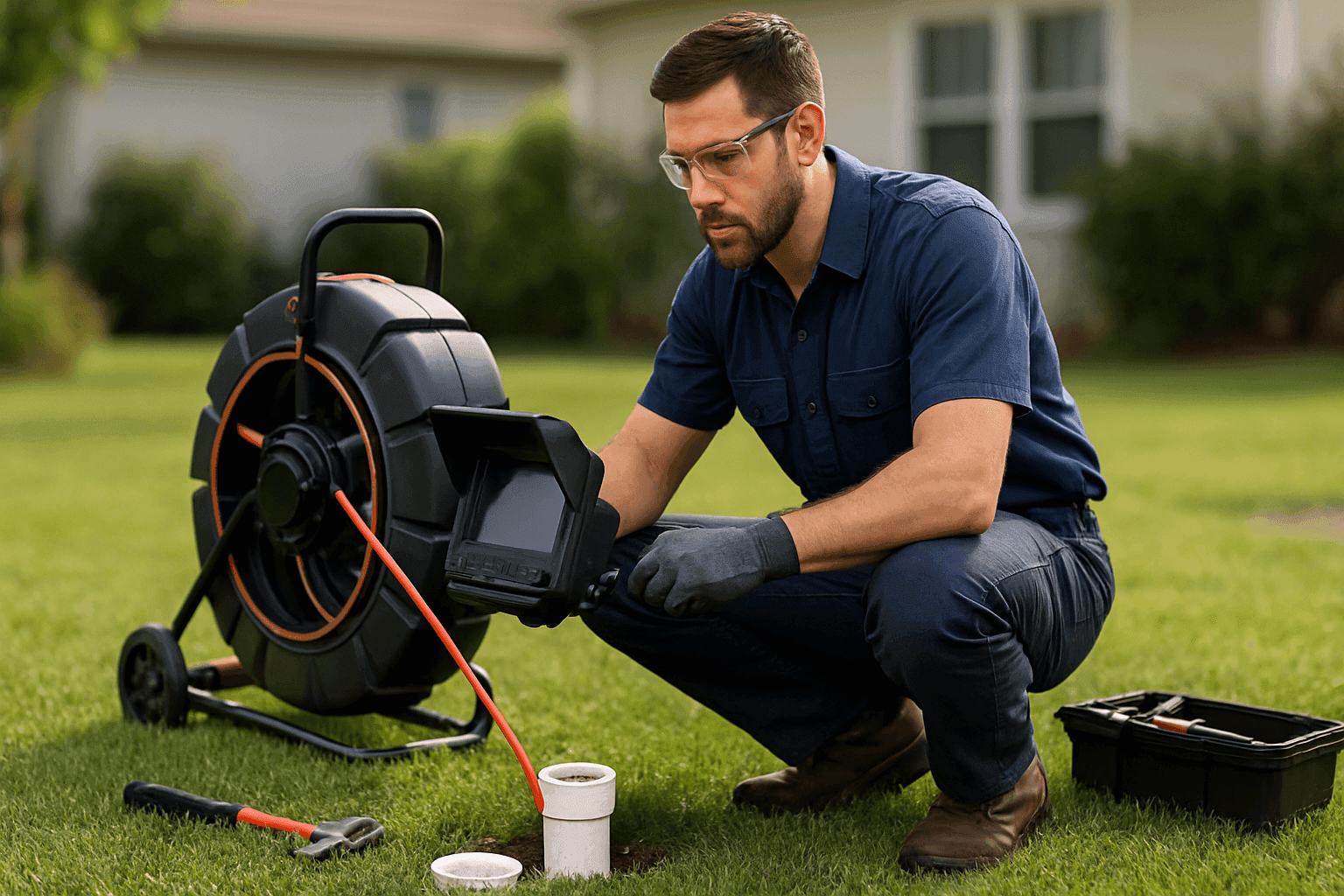
Is your home’s plumbing trying to tell you something? Odd gurgles, slow drains, or mysterious puddles in the yard can be more than minor annoyances—they're warning signs. Sewer line issues rarely fix themselves, and when things go south, they can get messy fast.
At Veterans Plumbing, we know that peace of mind starts with knowing what's happening underground. A sewer line inspection is the flashlight in the dark tunnel of uncertainty. Here’s what you can expect before, during, and after.
Why Inspect Your Sewer Line? 🚨
Imagine your home’s drain system as a highway. Over time, traffic jams (clogs), potholes (cracks), and even roadblocks (tree roots) can cause chaos. Most problems lurk out of sight—until they burst into your living space.
When should you schedule an inspection?
- Before buying or selling a home. Surprises during escrow are never fun.
- If you have frequent clogs, backups, or slow drains.
- After flooding, earthquakes, or heavy construction nearby.
- Every few years as a preventative measure—especially in older homes.
Ignoring a sewer line is like ignoring the check engine light. Left too long, minor problems can turn into costly emergencies. A quick call for an inspection now can save you from an emergency plumbing nightmare later.
Red Flags: Sewer Line Trouble Checklist
Here are the biggest warning signs your sewer line might need attention:
- Foul odors near drains or the yard
- Gurgling sounds from toilets or sinks
- Water backing up in tubs or showers
- Lush, extra-green patches of grass in your yard
- Soggy spots, even when it hasn’t rained
- Persistent drain clogs in multiple fixtures
- Toilet water rising and falling mysteriously
If you’ve checked more than one, don’t wait. Call for a professional inspection.
How Camera Inspections Work 🎥
Forget guesswork. Modern sewer line inspections rely on specialized cameras. Here’s how it works:
- Access Point: The technician finds or creates an entry (like a cleanout) into your main sewer line.
- Camera Insertion: A flexible rod with a high-definition camera snakes through the pipe, sending real-time video to a monitor.
- Visual Tour: You (if you’d like) can watch as the camera reveals the inside of your pipes—every bend, blockage, crack, or root intrusion.
- Recording & Notes: The technician documents findings, marking the depth and exact location of any issues.
What problems can a camera inspection reveal?
- Blockages from grease, wipes, or debris
- Cracked or collapsed pipes
- Tree root invasions
- Corrosion or pipe deterioration
- Bellied or sagging sections of pipe
- Misaligned, offset, or separated joints
It’s like getting a weather forecast for your plumbing: clear, detailed, and actionable.
What Happens Next?
After the inspection, you’ll get a straight-shooting report. No cryptic jargon—just images and plain language explanations.
What you’ll receive:
- Video footage or snapshots of trouble spots
- Written summary of the pipe’s condition
- Recommendations for repair, replacement, or further monitoring
At Veterans Plumbing, our technicians are fully licensed and trained. We follow all local building codes and safety guidelines (refer to your city’s Department of Building and Safety for specifics).
Every report is designed so you can ask the right questions:
- What’s urgent vs. what can wait?
- Are repairs possible, or is replacement smarter?
- Will this require digging, or is trenchless repair feasible?
Visual Walkthrough: Sewer Line Camera Inspection
Picture this:
- Step 1: A uniformed technician arrives, explains the process, and answers your questions.
- Step 2: Protective mats and shoe covers keep your home clean.
- Step 3: The camera setup begins at a main drain or cleanout.
- Step 4: The technician slowly feeds the camera, stopping at any sign of trouble.
- Step 5: You watch the live feed—seeing roots, cracks, or buildup clearly.
- Step 6: The technician pinpoints problems using the camera’s locator.
- Step 7: You receive a clear, written report, plus a walk-through of recommended next steps.
No surprises. No sales pressure. Just the facts.
Maintenance Tips: Keep Your Sewer Line Flowing
- Avoid flushing wipes, grease, or feminine products. Even “flushable” wipes can cause clogs.
- Schedule regular maintenance: Every 2–3 years for older homes, or if you have mature trees nearby.
- Install a backflow prevention device: Especially if your area is prone to flooding.
- Monitor water pressure: Sudden drops may signal a hidden leak.
- Consider water filtration systems: They help prevent mineral buildup inside pipes.
Reference: The Environmental Protection Agency (EPA) recommends regular checks of private sewer laterals to prevent groundwater contamination.
What to Ask Your Technician
- Are you licensed and insured for sewer line work?
- Can I see the camera footage and get a copy?
- What’s the most urgent issue you found?
- Are trenchless repairs possible, or will you need to dig?
- What’s the expected lifespan of my current sewer line?
A reputable technician should welcome your questions.
Costs & Time Factors
Time: Most sewer line inspections take about 1–2 hours, depending on your home’s layout and access points.
Costs: Prices vary based on complexity, but a camera inspection is a fraction of the cost of sewer line repair or replacement. Remember, catching problems early can save thousands in emergency plumbing bills.
When It’s an Emergency
Some sewer issues can’t wait:
- Sewage backing up into showers, tubs, or sinks
- Strong sewage odors inside your home
- Multiple drains clogging at once
If you experience these, contact an emergency plumbing service immediately. Don’t risk health hazards or property damage.
FAQ: Sewer Line Inspections
Q: Do I need to be home for the inspection?
A: Yes, it’s best. You can ask questions and see any issues firsthand.
Q: Will you need to dig up my yard?
A: Not for the inspection. Repairs might—your technician will explain options.
Q: How often should I have my sewer line inspected?
A: Every few years for most homes, or after major landscaping, renovations, or persistent plumbing problems.
Q: Can you fix minor issues during the inspection?
A: Sometimes—like clearing small clogs. Bigger repairs are scheduled after you review the report.
Local & Seasonal Considerations 🌧️
- Heavy rain or flooding can overwhelm older sewer lines. Spring and fall are smart times to schedule inspections.
- Tree roots are more active in late spring and early summer—especially if you have large trees near your sewer lateral.
- Cold climates: Freezing and thawing cycles can stress underground pipes.
Check your city’s plumbing code for specific inspection requirements after major weather events.
Curious if your sewer line is healthy, or worried about warning signs at home? Don’t wait for a plumbing emergency.
Call Veterans Plumbing now — or reach us anytime at 844-708-3719 .